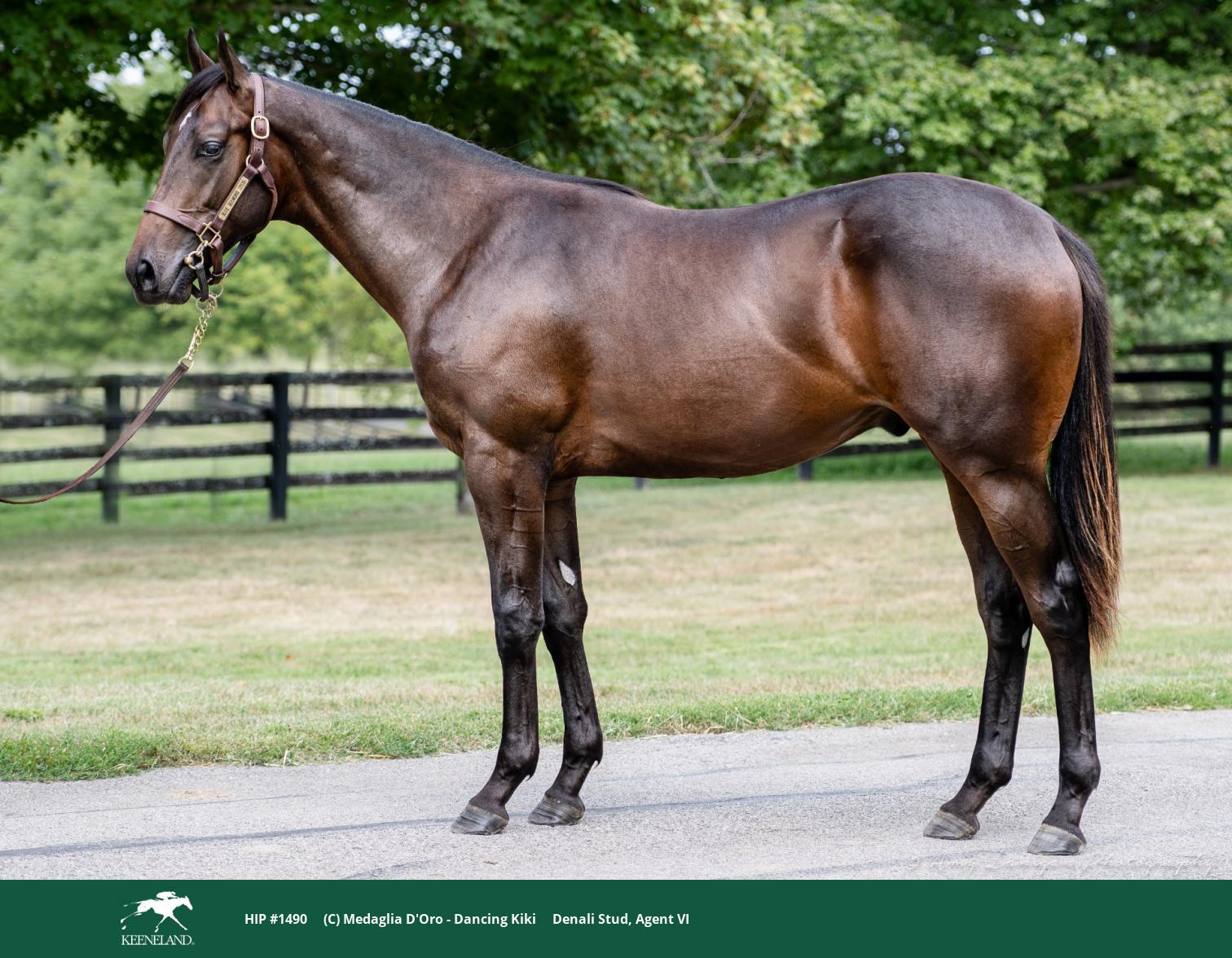
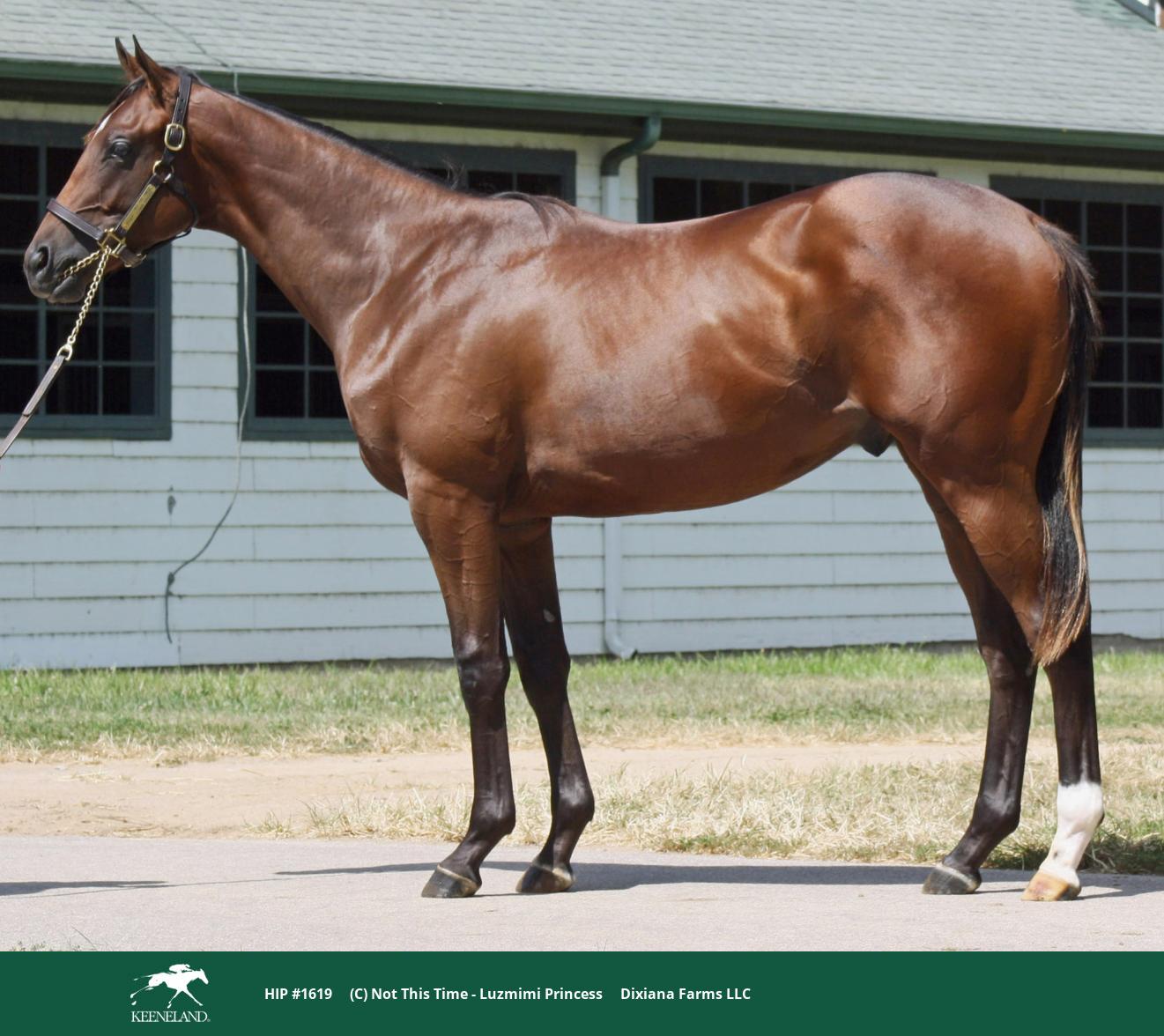
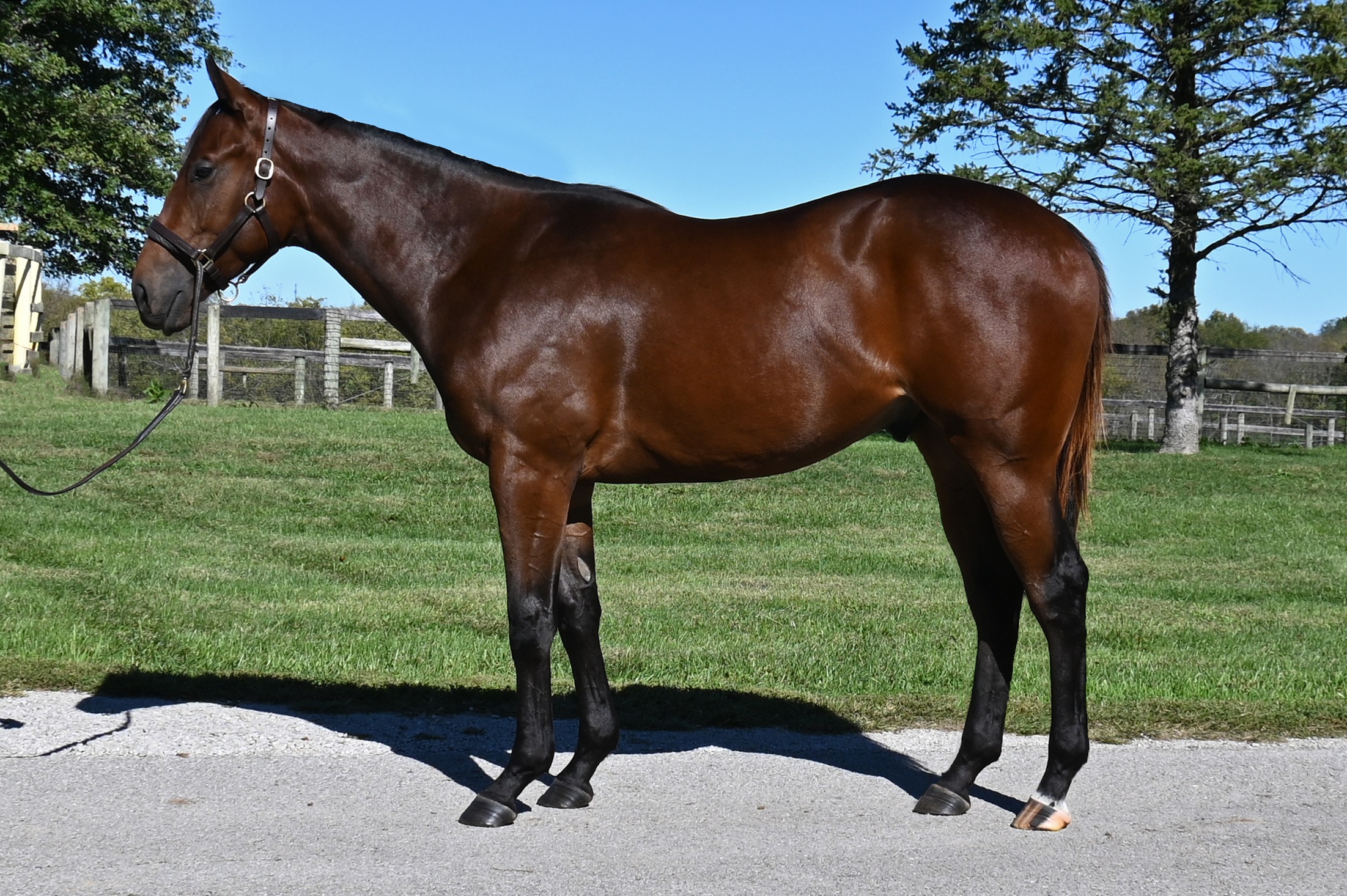
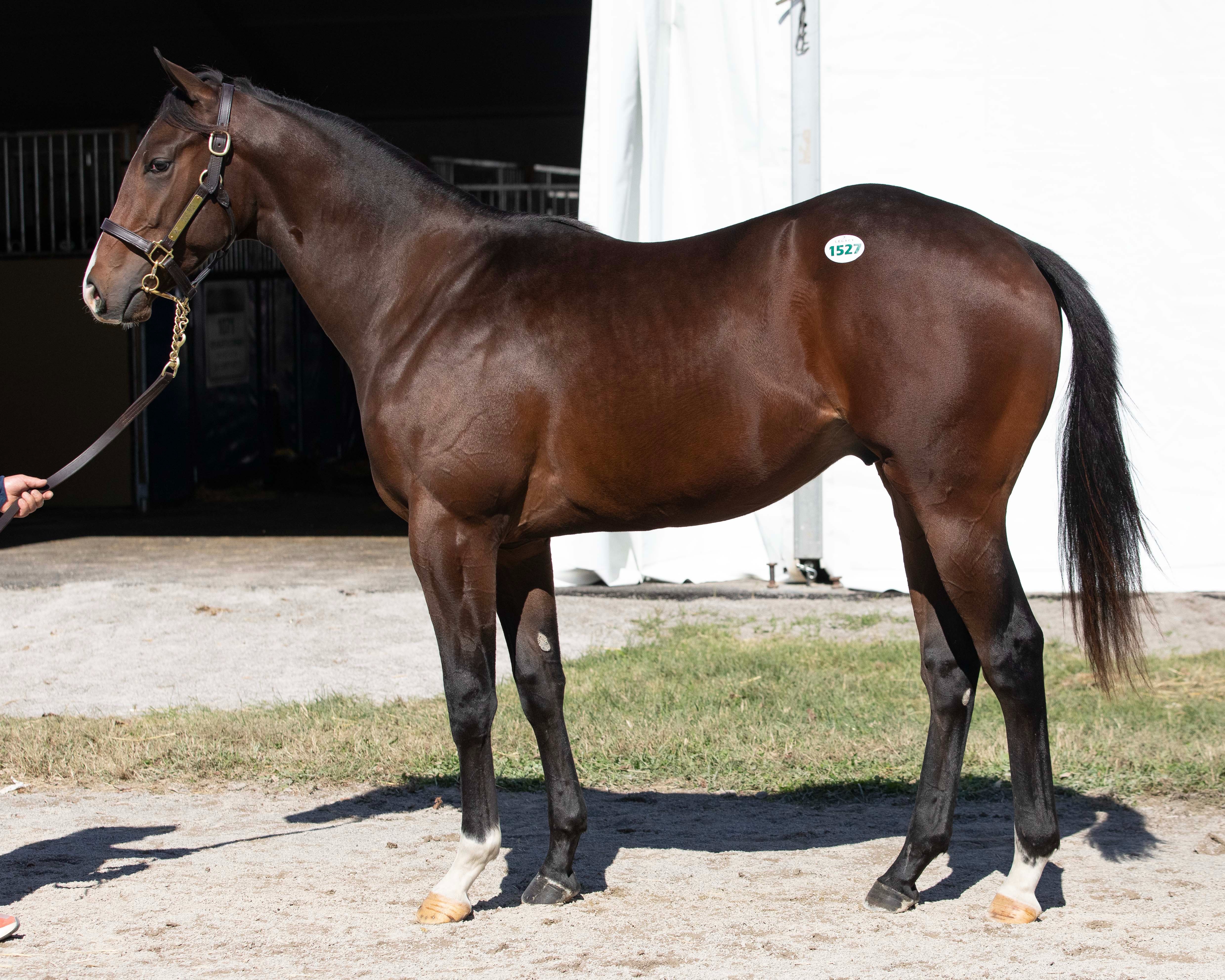
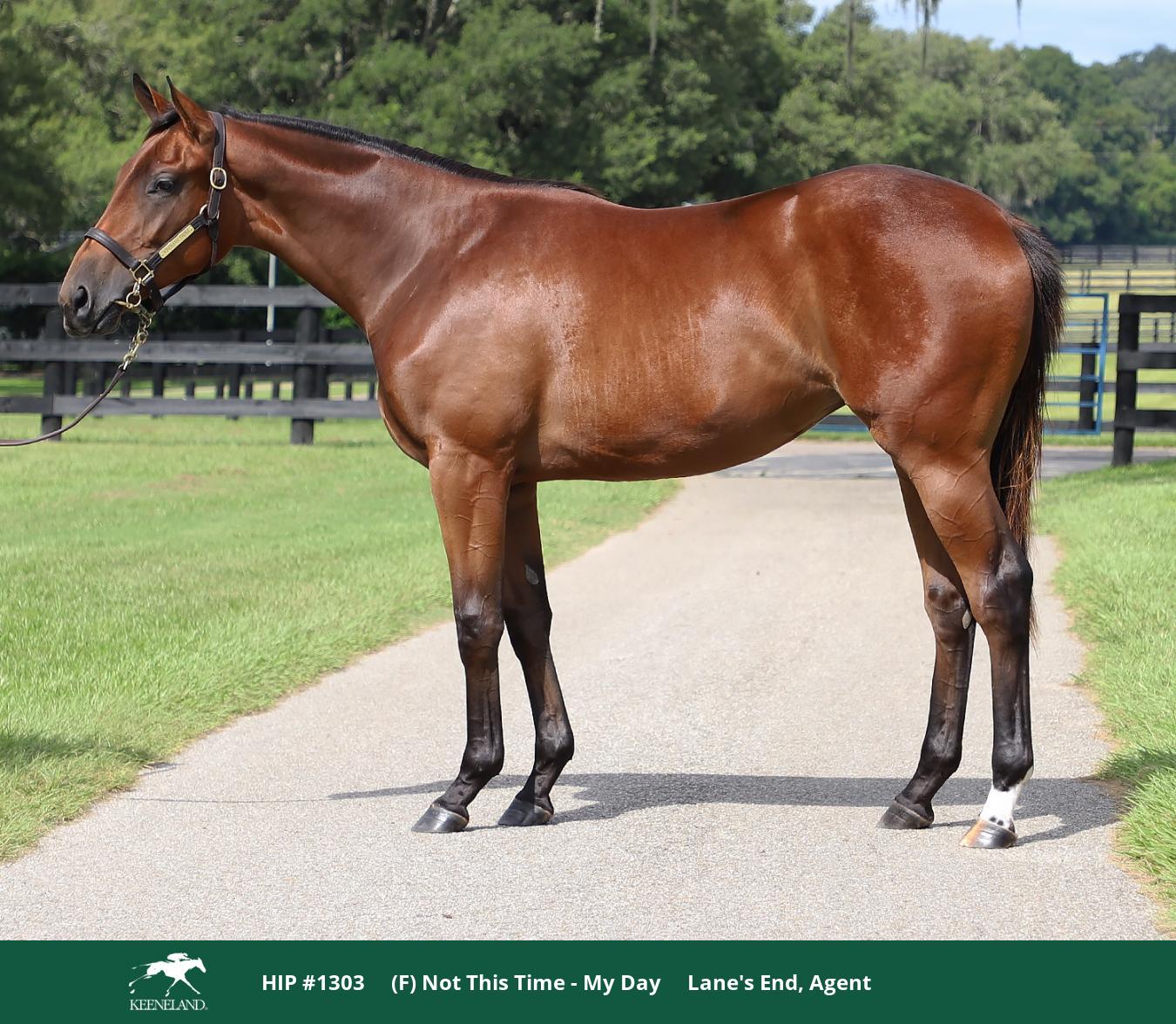
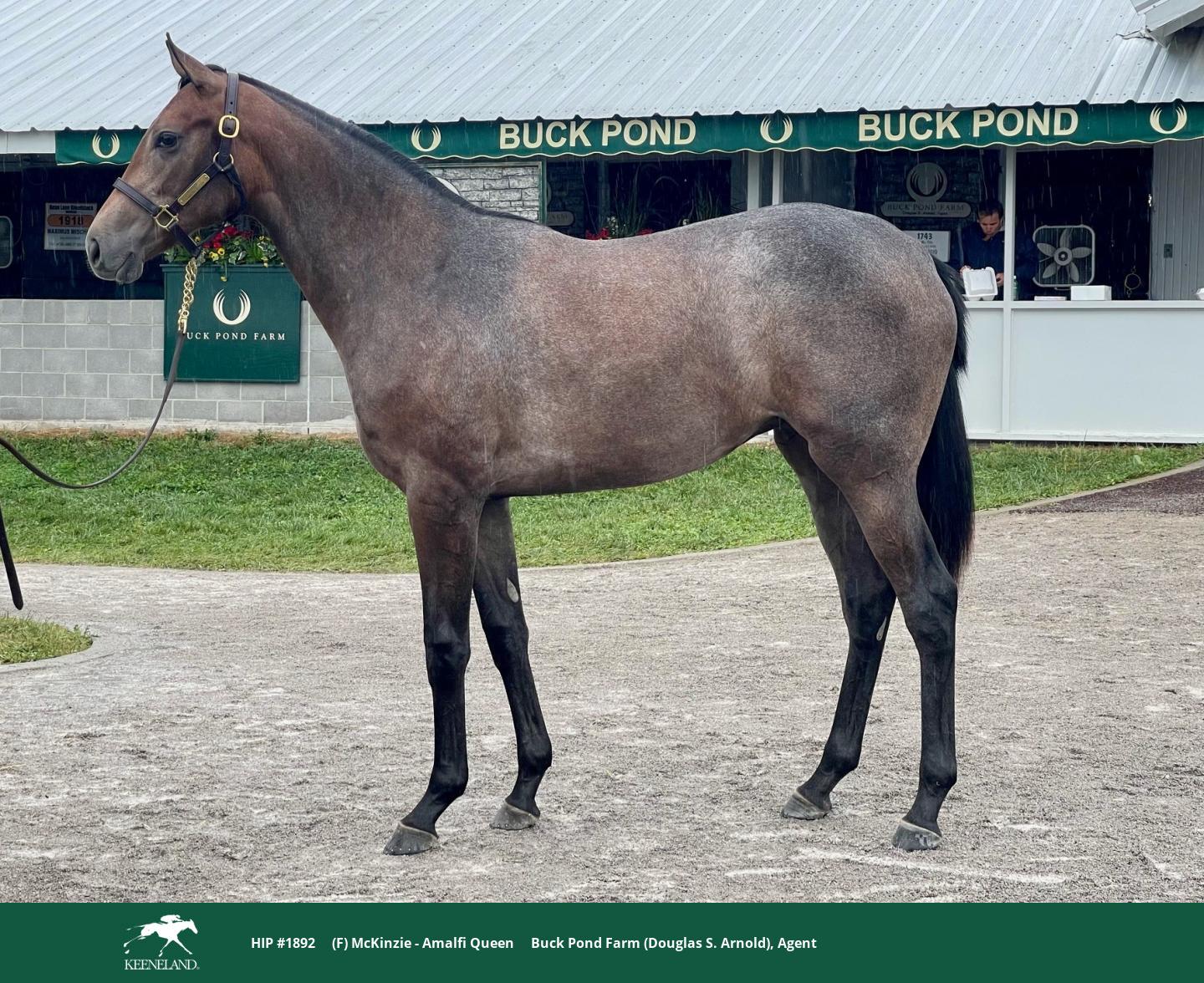
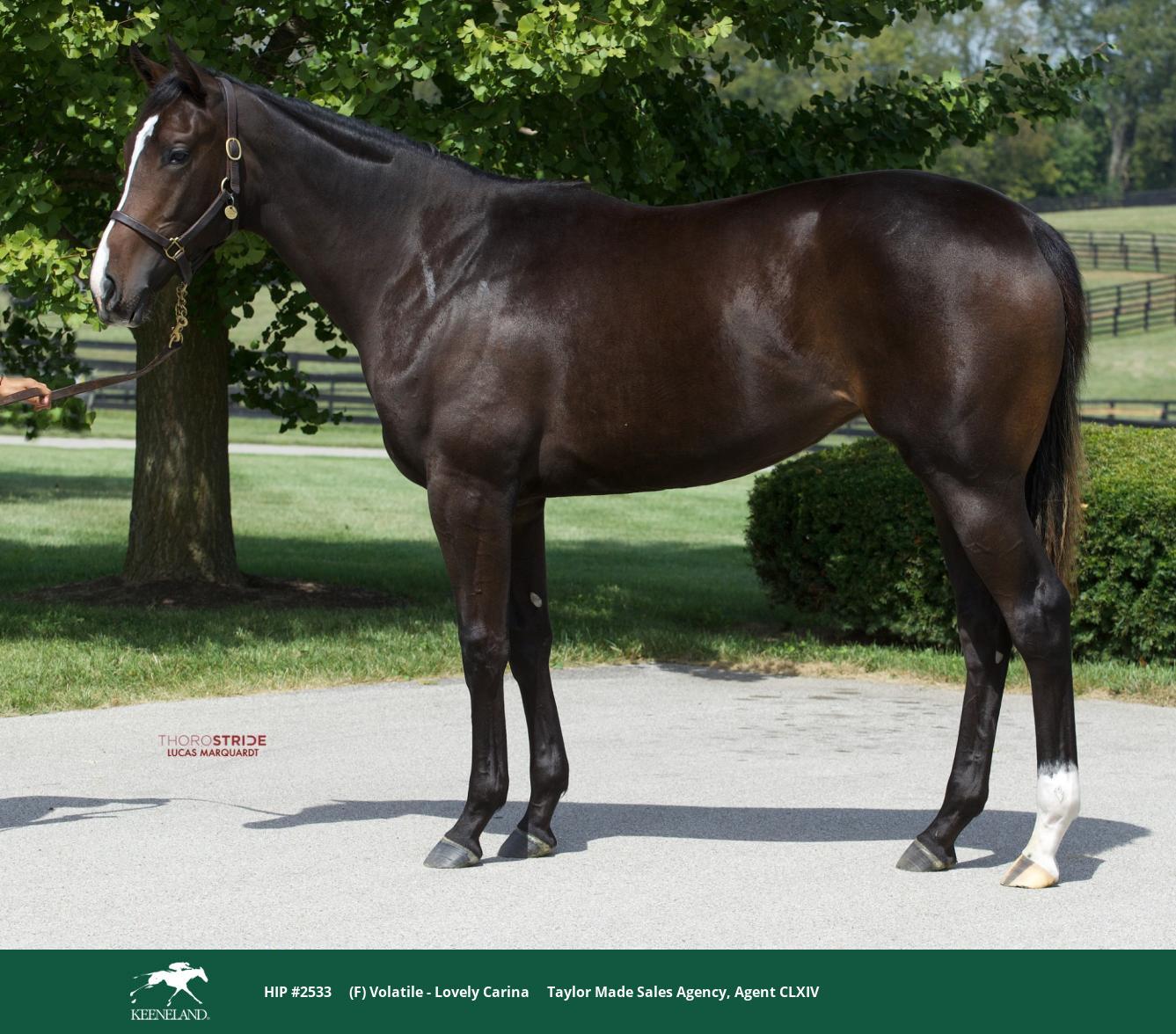
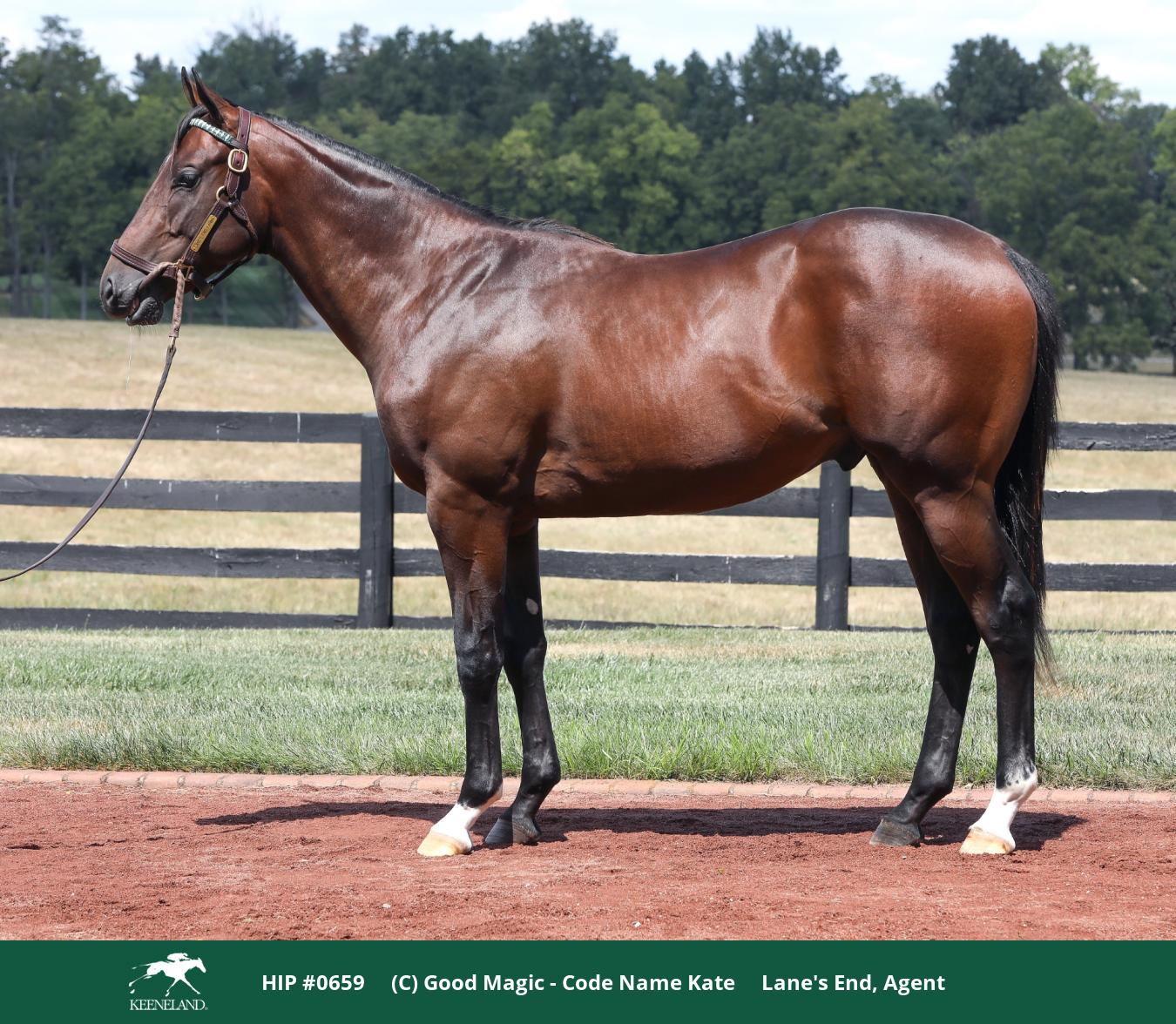
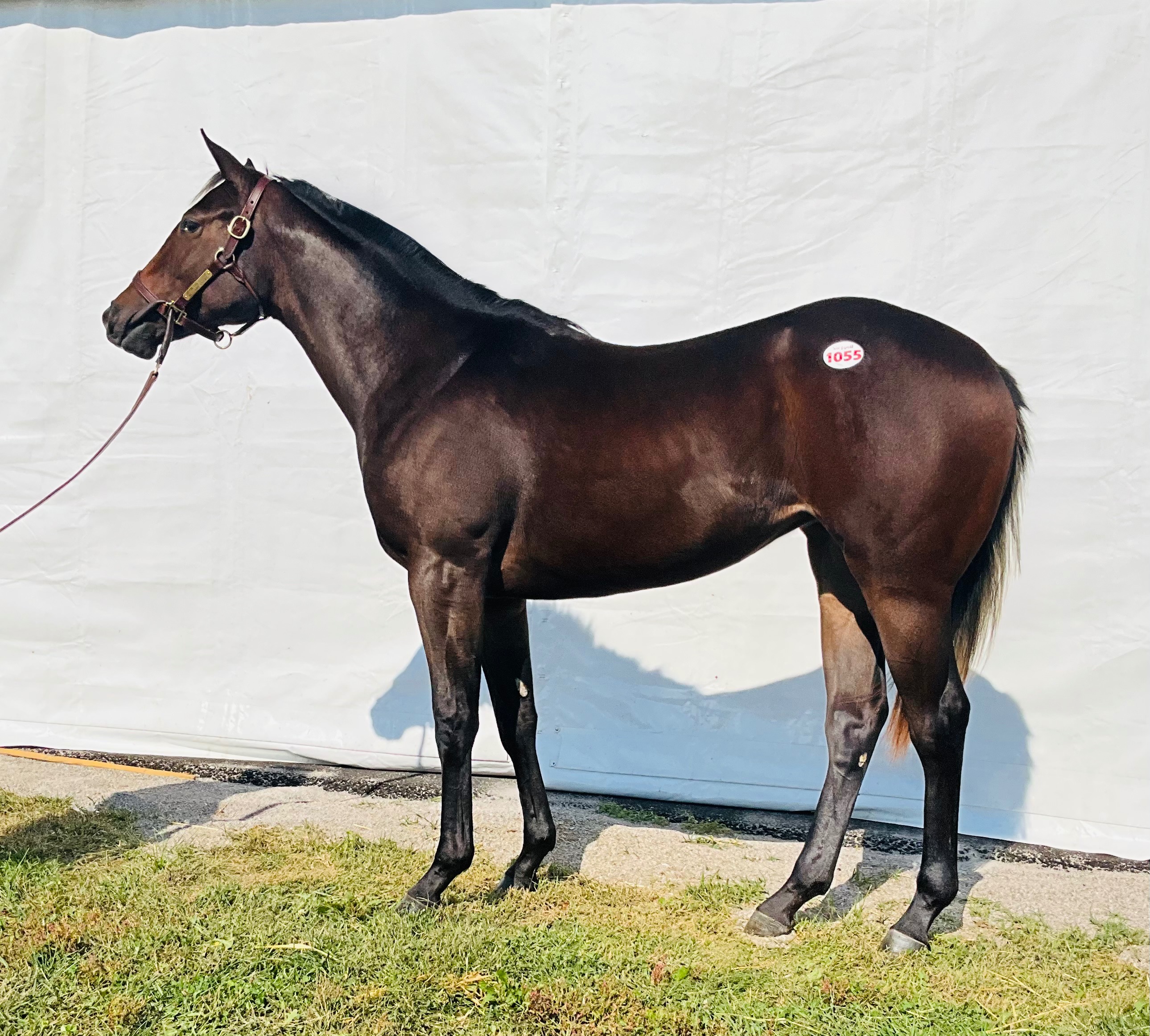
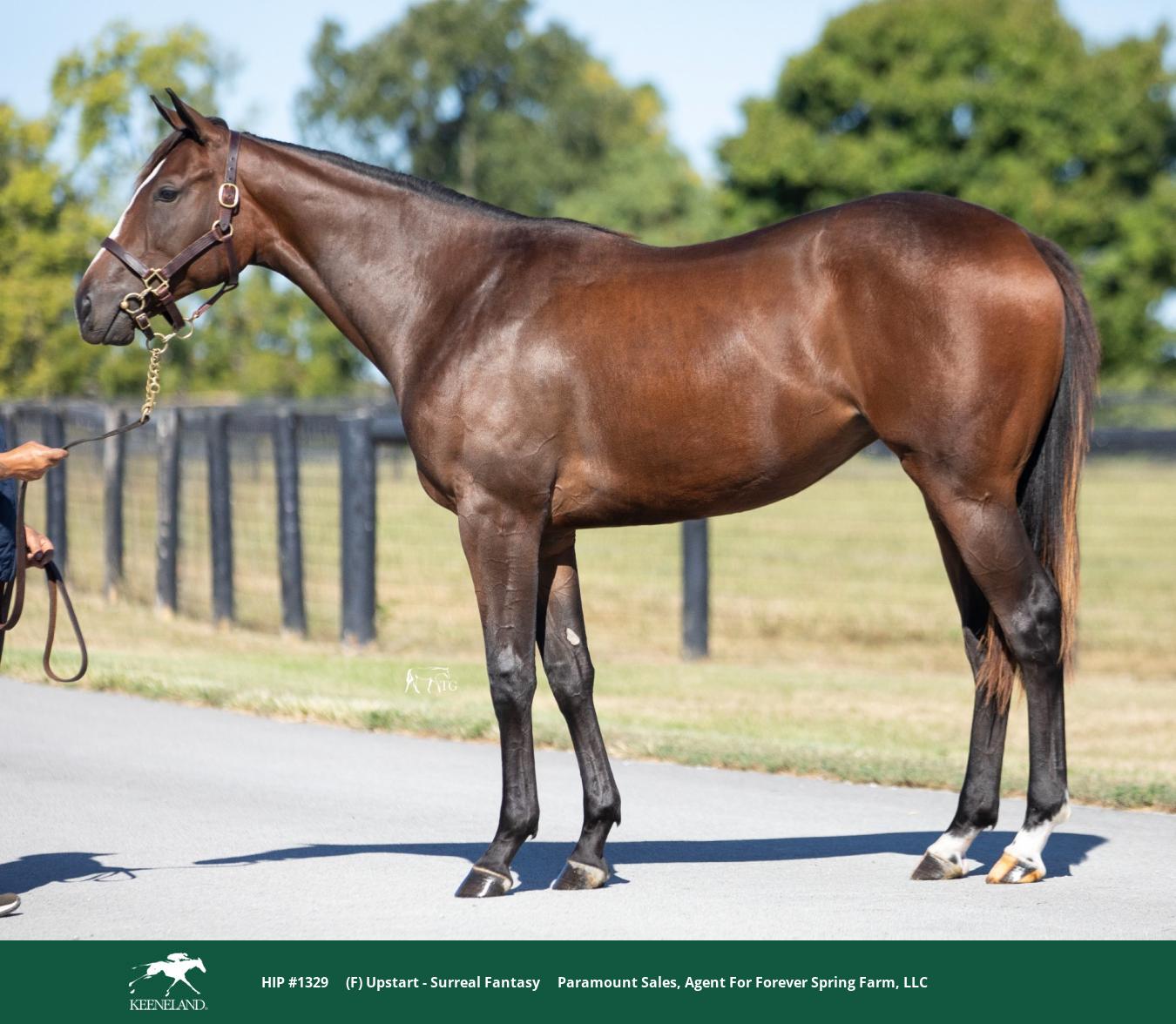
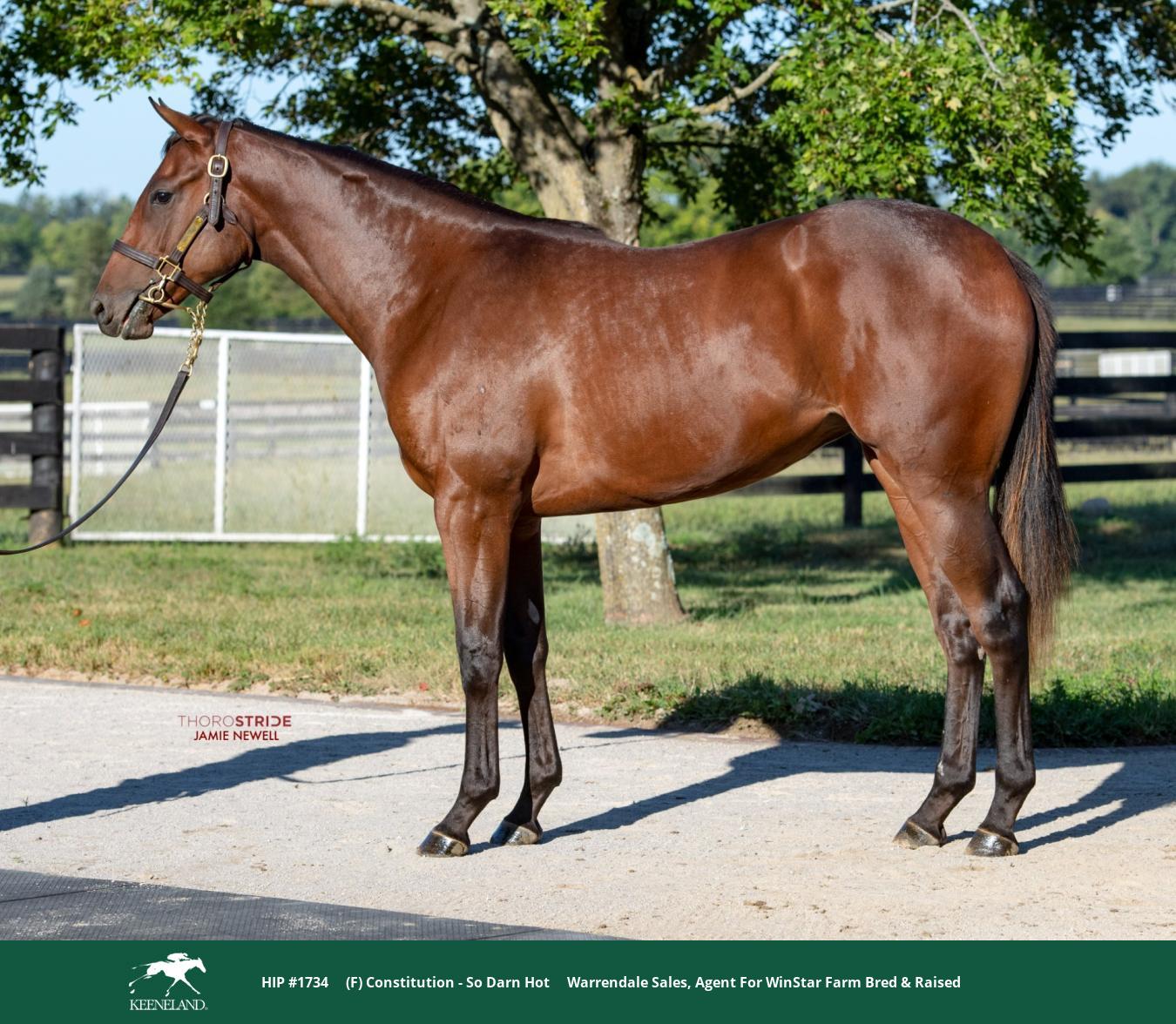
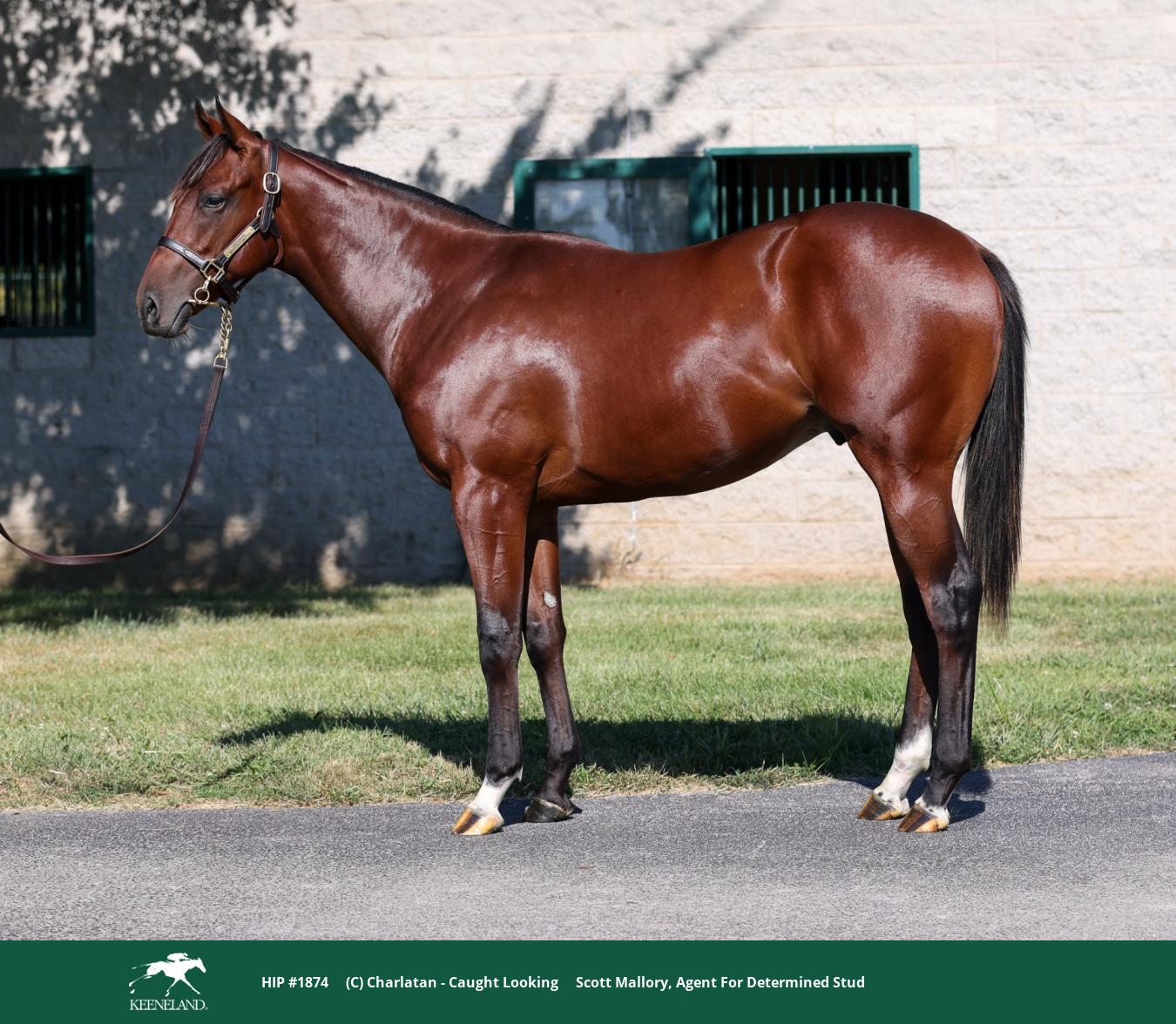
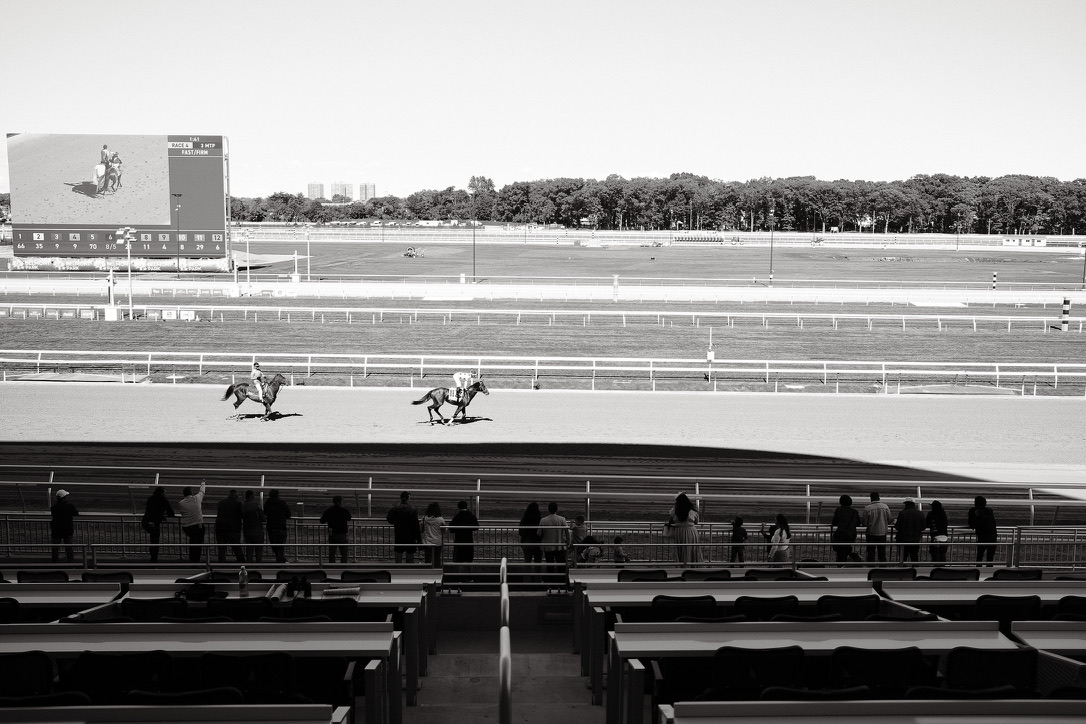
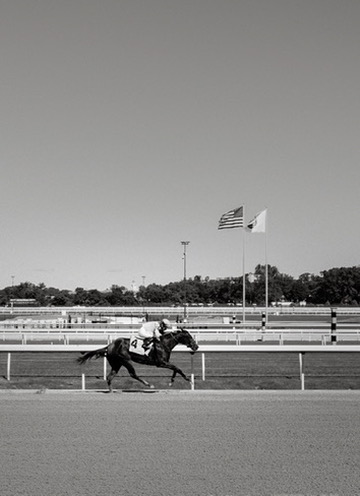
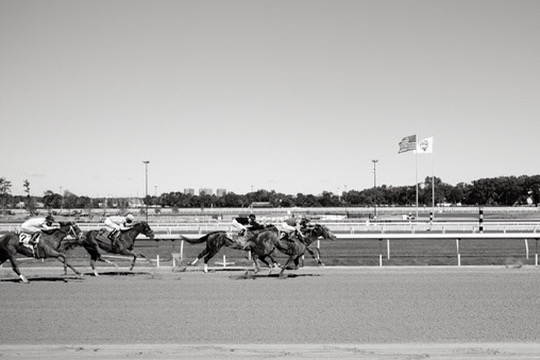
We take a value investing approach to racehorse ownership. Rather than chasing the most expensive horses, we leverage trainer relationships and bloodline knowledge to identify lower cost, high upside thoroughbreds. The experience of our partners is invaluable to the process of identifying opportunities.
Forward Thinking
We are committed to utilizing analytics and the data available to us to make better decisions. We are passionate about advancing the technology and tools used to evaluate bloodstock and performance, bringing a modern lens to one of the world's oldest sports.
Capital Management
A sound capital management plan is essential in this industry. The Equine industry has risks and that is not overlooked. Prudent risk adjusted analysis and plans for capital preservation helps mitigate some, but not all the risk. More importantly, certain subsets of the industry are profitable in their own right. Alignment with those entities and philosophies helps manage capital risk.
Who We Are
The story behind Tralee Ventures
Tralee Ventures was founded by Steve Dervenis, whose passion for racing started in his early teens, winning his very first bet at Ocean Downs in Ocean City, Maryland. During his later school years, he and his childhood friend would spend their summers (nearly every day) at the Maryland Thoroughbred racetracks. They were followers of Andrew Beyer, during his time covering the sport for the Washington Post, and utilized his early teachings in handicapping. Steve ultimately moved to New York and began his Wall Street career as a bond trader and later a portfolio manager for some of the largest investment banks. It was during this time that analytics and data analysis became central components of decision making. Today, these disciplines are rooted in much of the decision making at Tralee Ventures.
The Tralee name carries a convenient and significant double meaning. Steve and his wife visited Tralee, Ireland and fell in love with the area. Unbeknownst to them, the street where they would settle in Northern Virginia later in life and raise their family carried that exact name. When this passion grew into a business, there was no other name in consideration.
For Prospective Partners
Three strategies. One disciplined approach.
Tralee Ventures welcomes a select group of partners into a portfolio built across three complementary strategies (racing, pinhooking, and breeding), guided by data, expert relationships, and a long-term view of the sport.
The Tralee String
Our Horses
A growing portfolio of thoroughbreds across racing and breeding ventures. From yearlings in training to active runners, meet the horses at the heart of Tralee Racing.
Highlights
Saratoga Winner · Grade 1 Placed
Gaudreau
2yo Colt · Nyquist – Free Cover
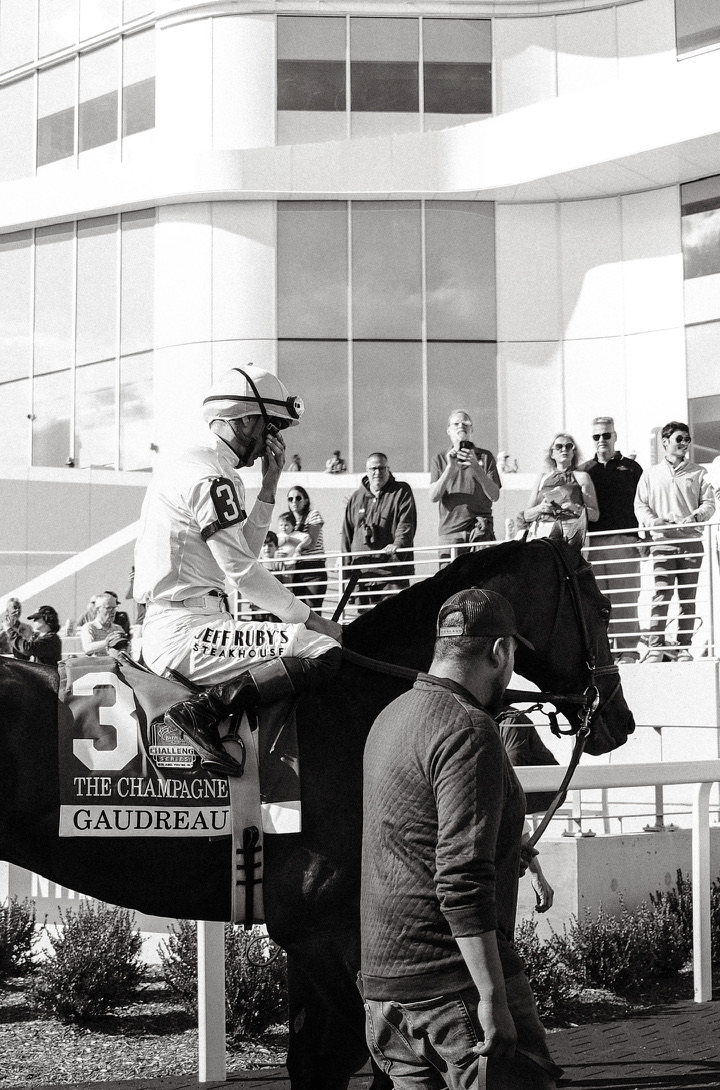
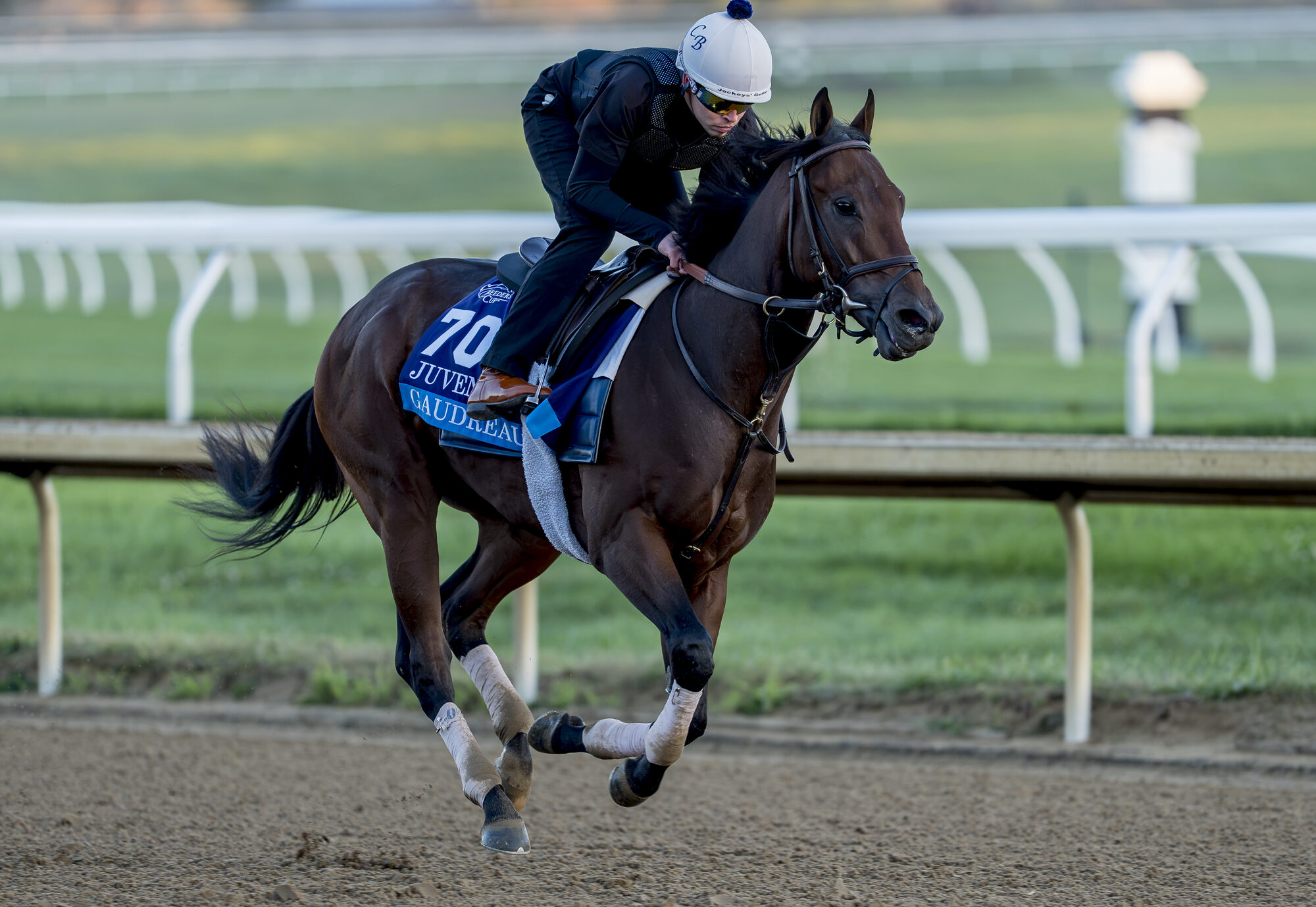
Gaudreau, a 2-year-old son of Nyquist named in honor of the late NHL All-Star Johnny Gaudreau, has wasted no time making a name for himself. Selected by Pete Bradley for $220,000 and trained by five-time Champagne Stakes-winning trainer Chad Brown, he won his Saratoga debut on Whitney Day as the 2-1 favorite with an 89 Beyer Speed Figure, in a maiden race that proved one of the year’s strongest, as both colts he beat won their next starts by wide margins. In only his second career start, he finished second in the Grade 1, $500,000 Champagne Stakes at Belmont Park, putting him on the road to the fall’s biggest 2-year-old races and next spring’s classics.
Saratoga Winner · 2 Times Graded Stakes Placed
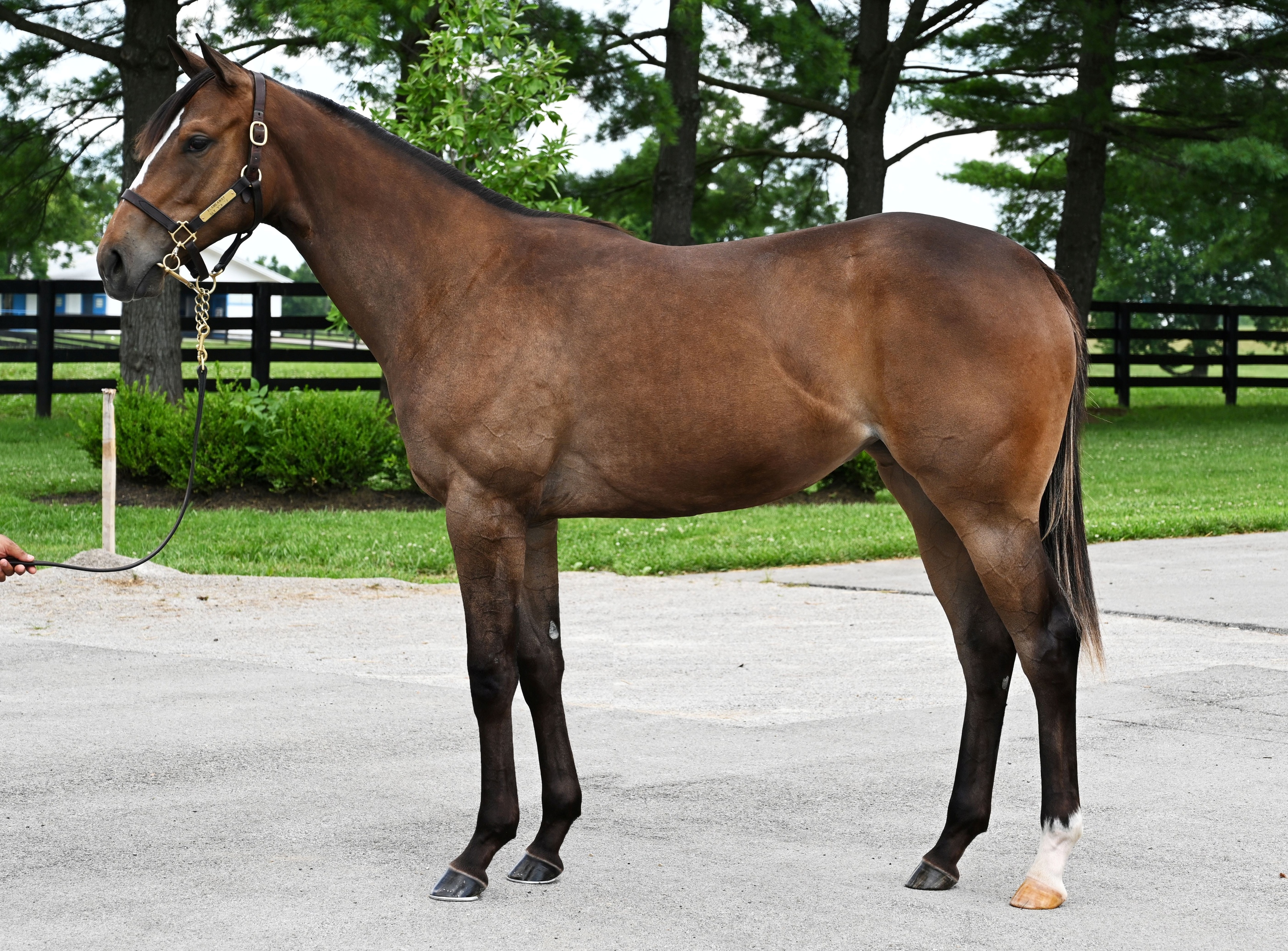
Luminous Beauty
2yo Filly · Flameaway – Sly Beauty
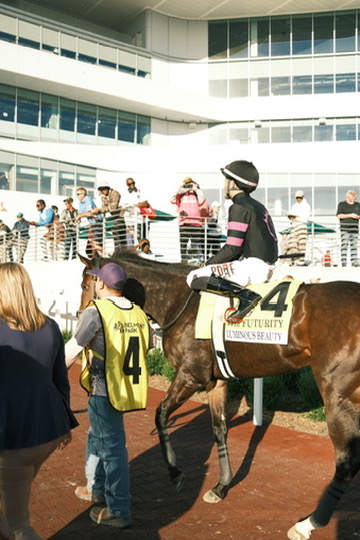
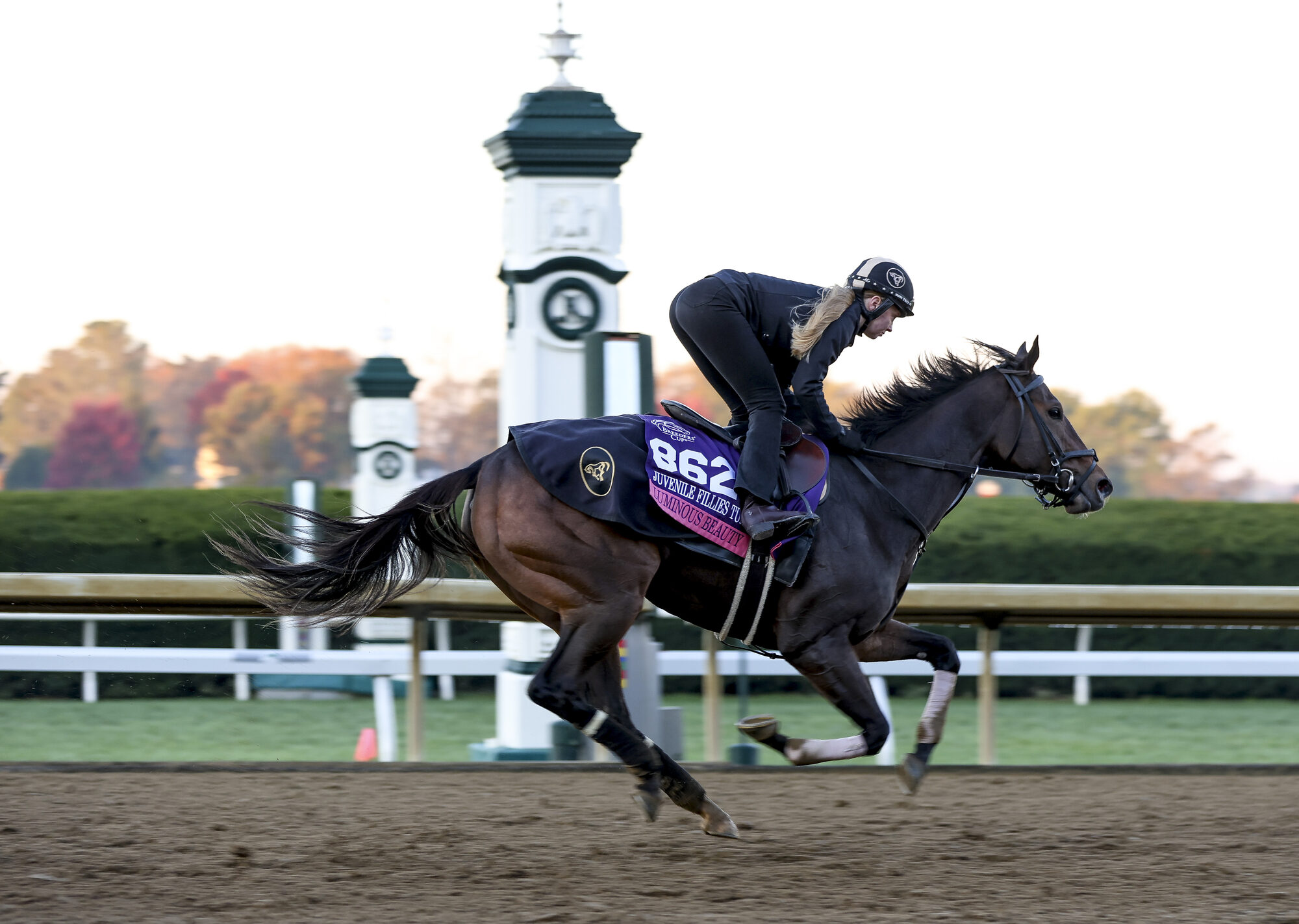
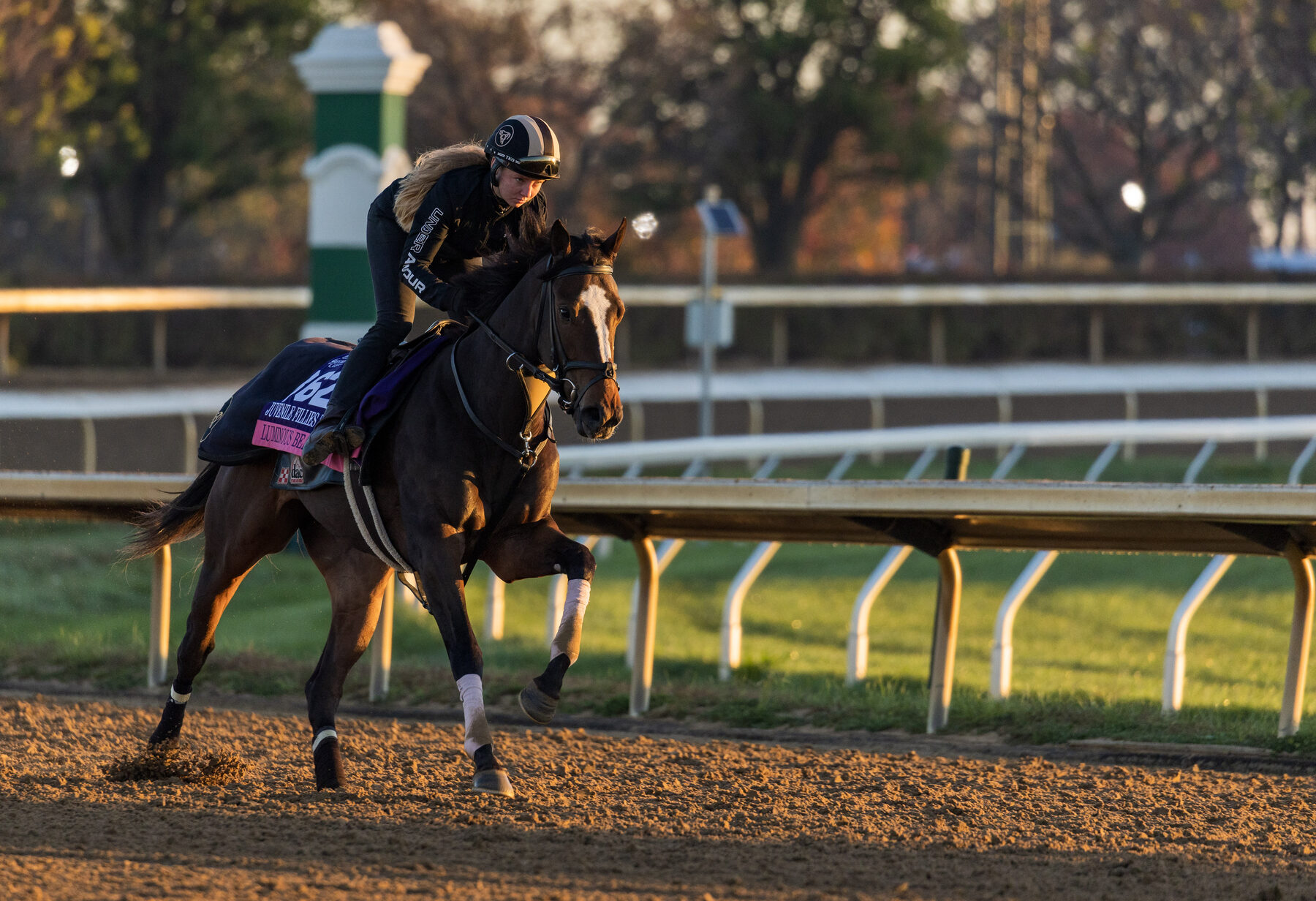
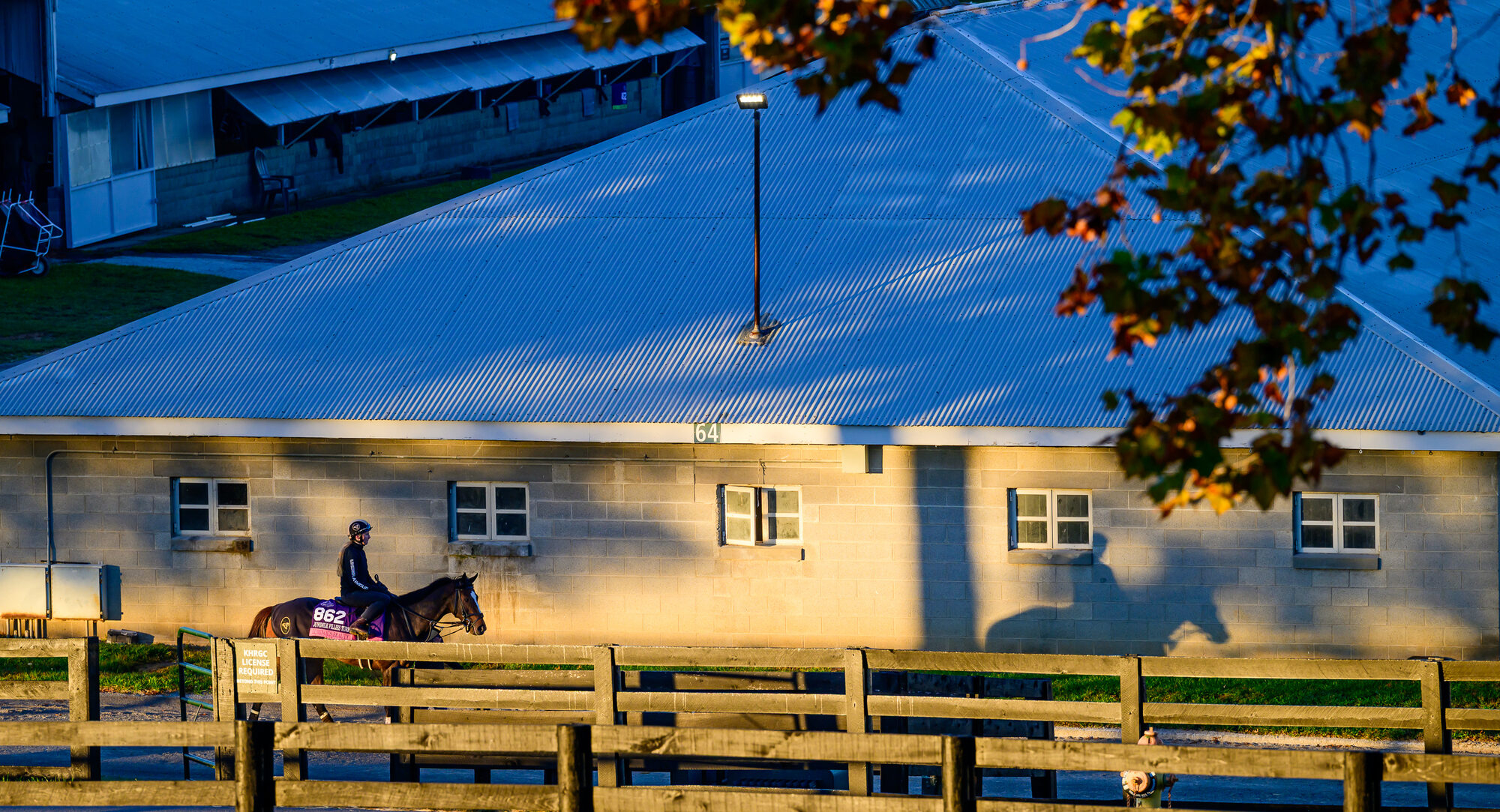
Luminous Beauty is proof that smart horsemanship can beat a big budget. Purchased for just $40,000 at the Fasig-Tipton July Yearling Sale, the daughter of Flameaway and full sister to stakes winner Flight Moon is already a Saratoga winner and graded stakes-placed at two, trained by Jena Antonucci, the first woman to train a Triple Crown race winner. After a 21-1 debut in which she was caught only in the final sixteenth, she won at Saratoga by 6¼ lengths with a 77 Beyer Speed Figure, then stepped up to the Grade 3 Adirondack Stakes and finished second by a neck. Having delivered far more than her price tag would suggest, she went on to run in the Grade 1, $1,000,000 Breeders’ Cup Juvenile Fillies Turf at Keeneland on October 30.
Coming Soon
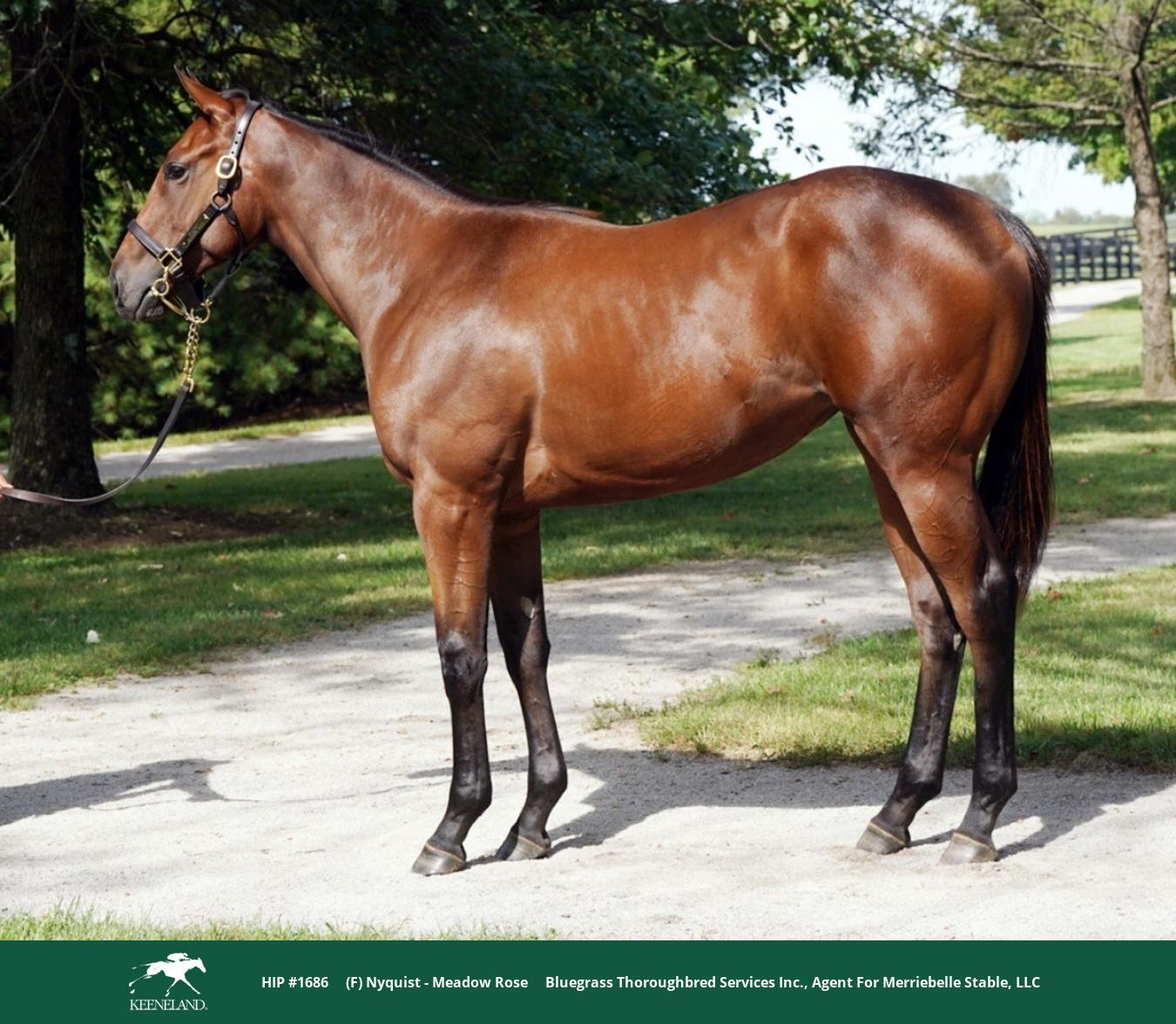
New Rose
3yo Filly · Nyquist – Meadow Rose
Our next standout is on the way. Check back soon to meet the newest addition to the Tralee Ventures highlights.
OwnershipRacing & Pinhook
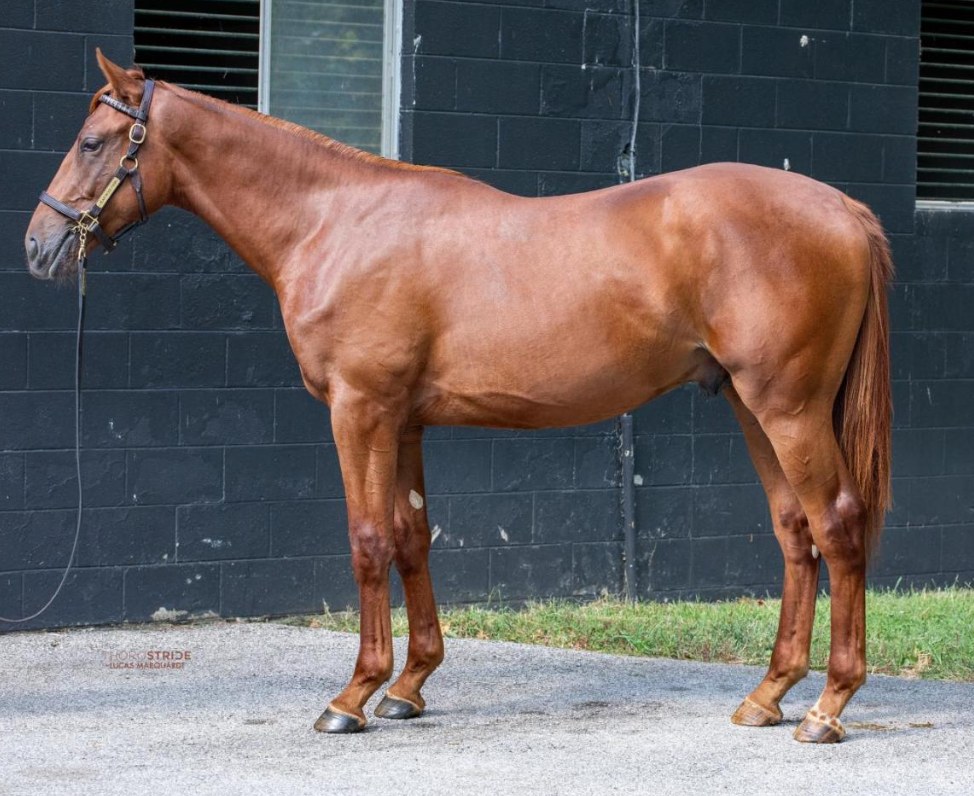
New Rose
3yo Filly
SireNyquist
DamMeadow Rose
TrainerJena Antonucci
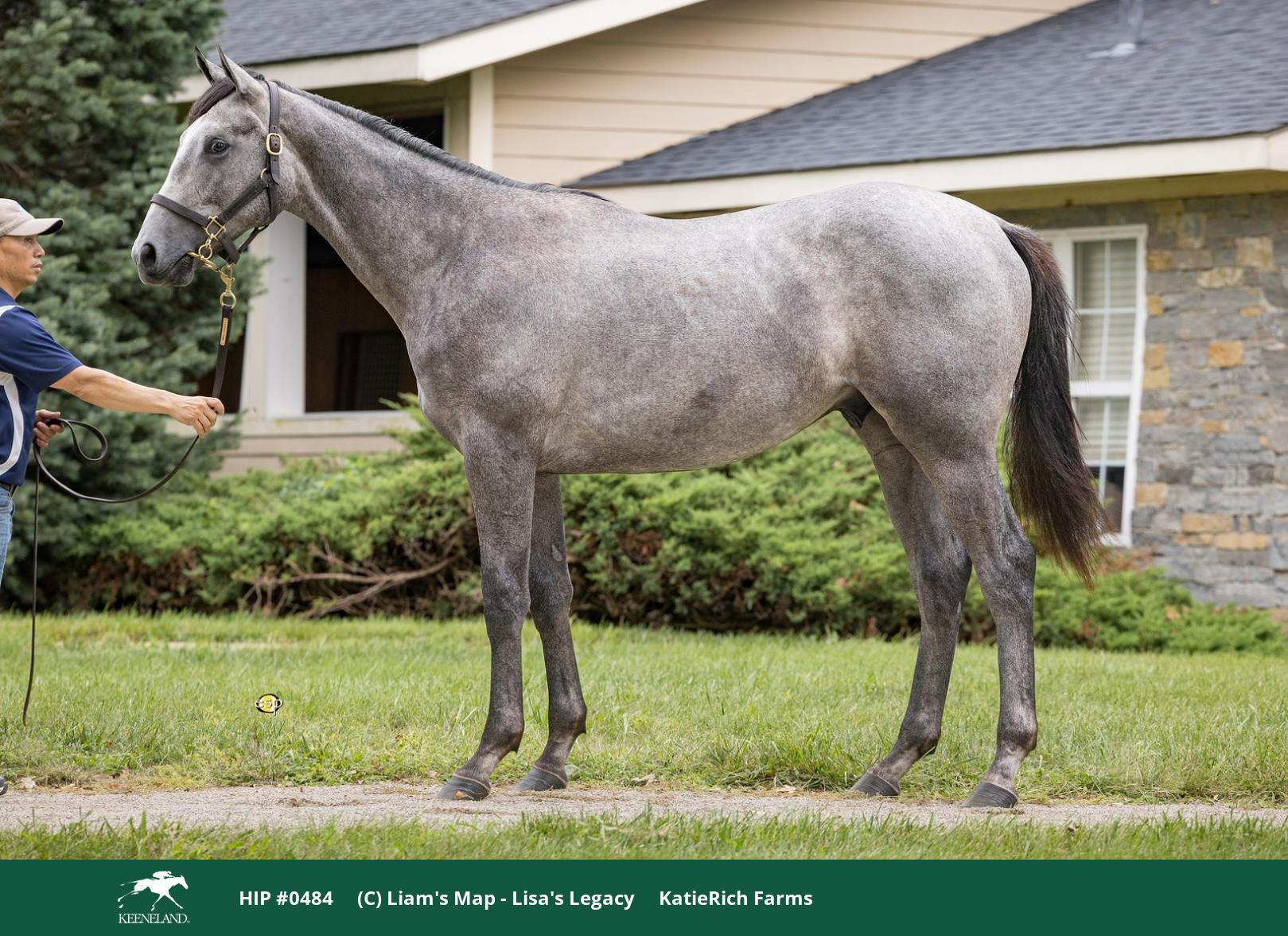
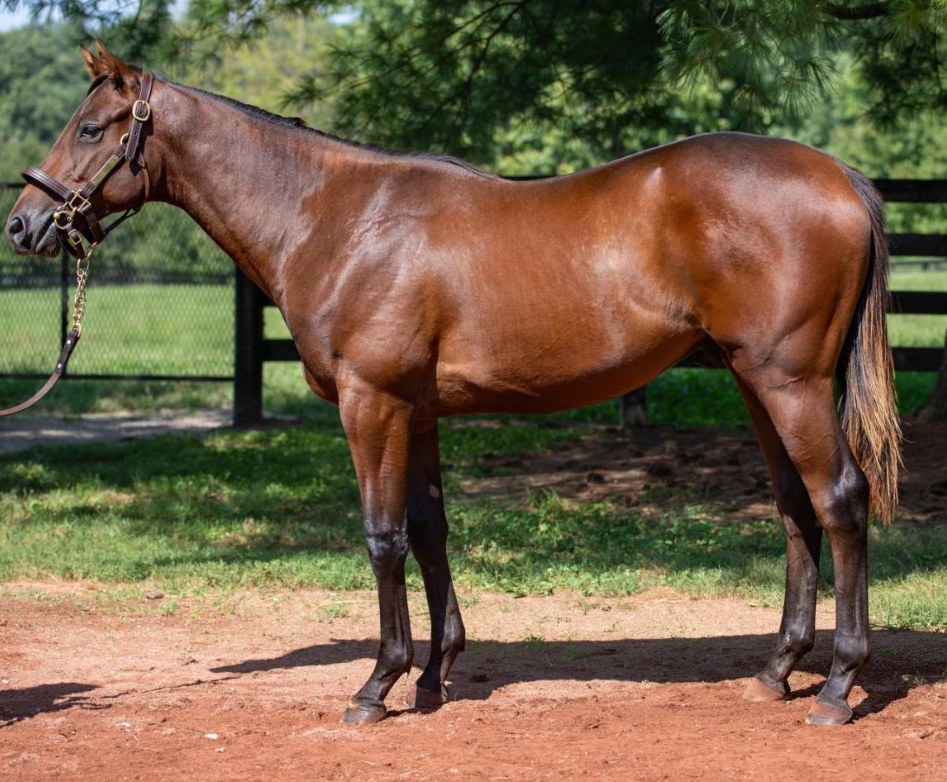
Unnamed Filly
3yo Filly
SireLiam's Map
DamLisa's Legacy
TrainerJena Antonucci
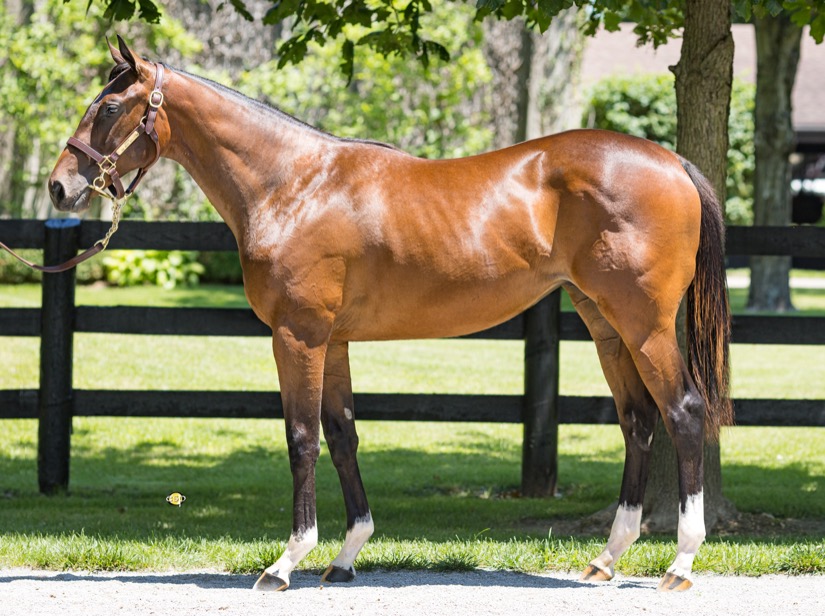
Luminous Beauty
2yo Filly
SireFlameaway
DamSly Beauty
TrainerJena Antonucci
Bradley Thoroughbreds Partnership2025 Colt Racing Venture
Bradley Thoroughbreds Partnership2026 Yearlings Colt Racing Venture
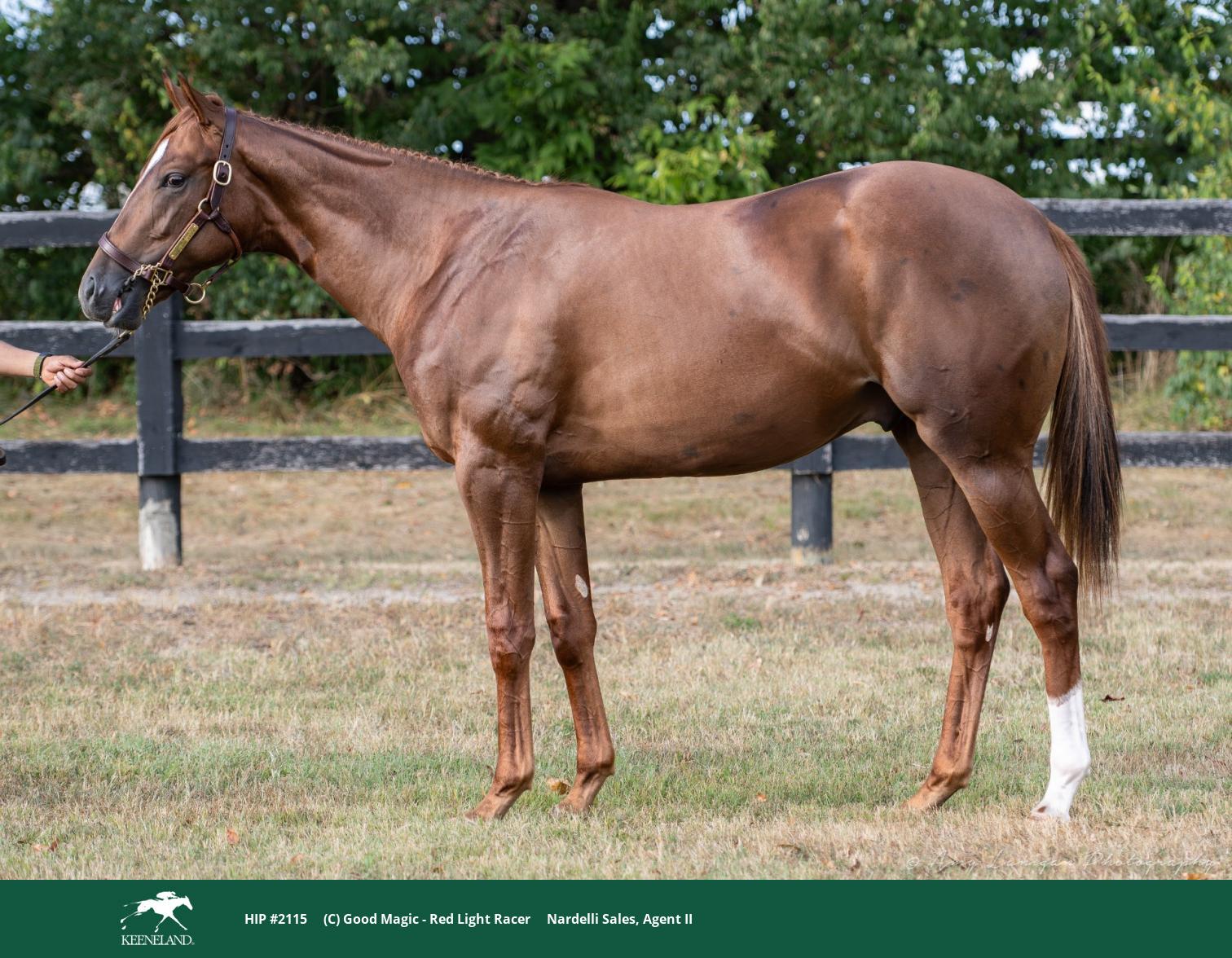
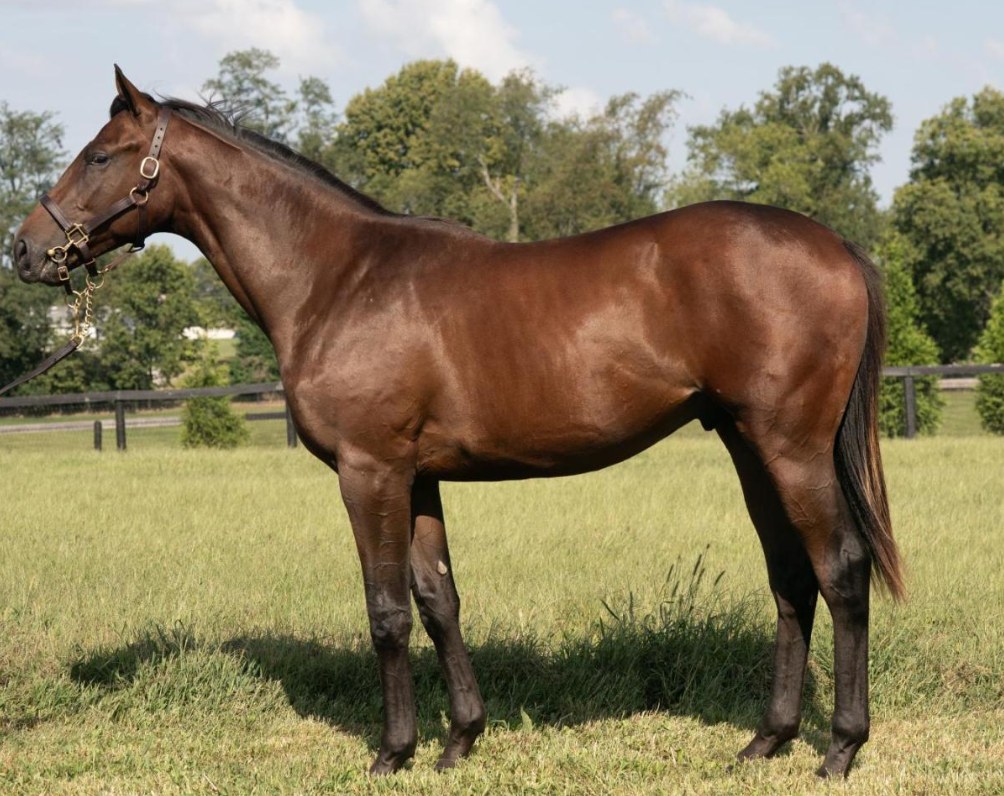
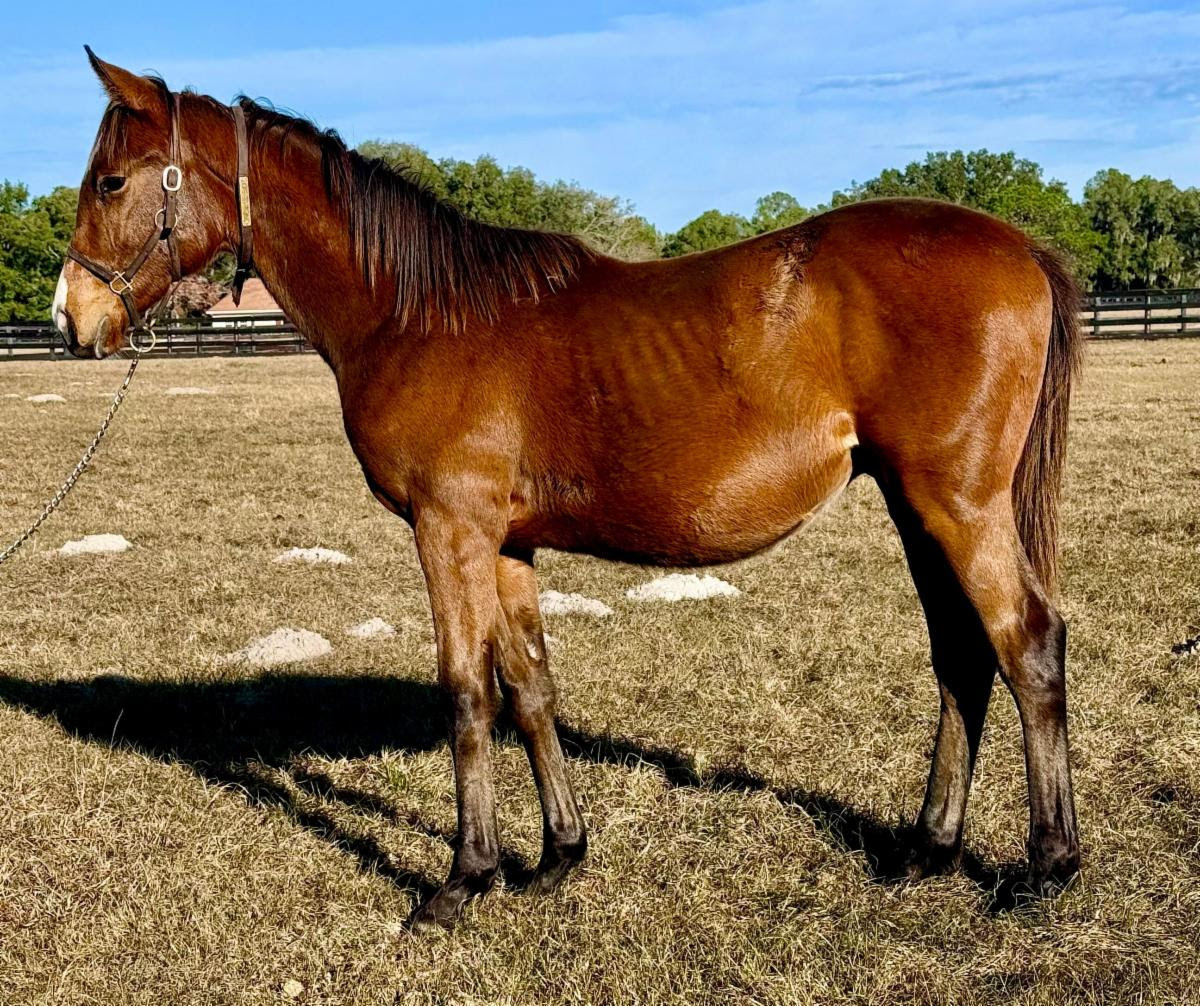
Unnamed Colt
Yearling
SireGood Magic
DamSweet Lady Ivanka
TrainerChad Brown
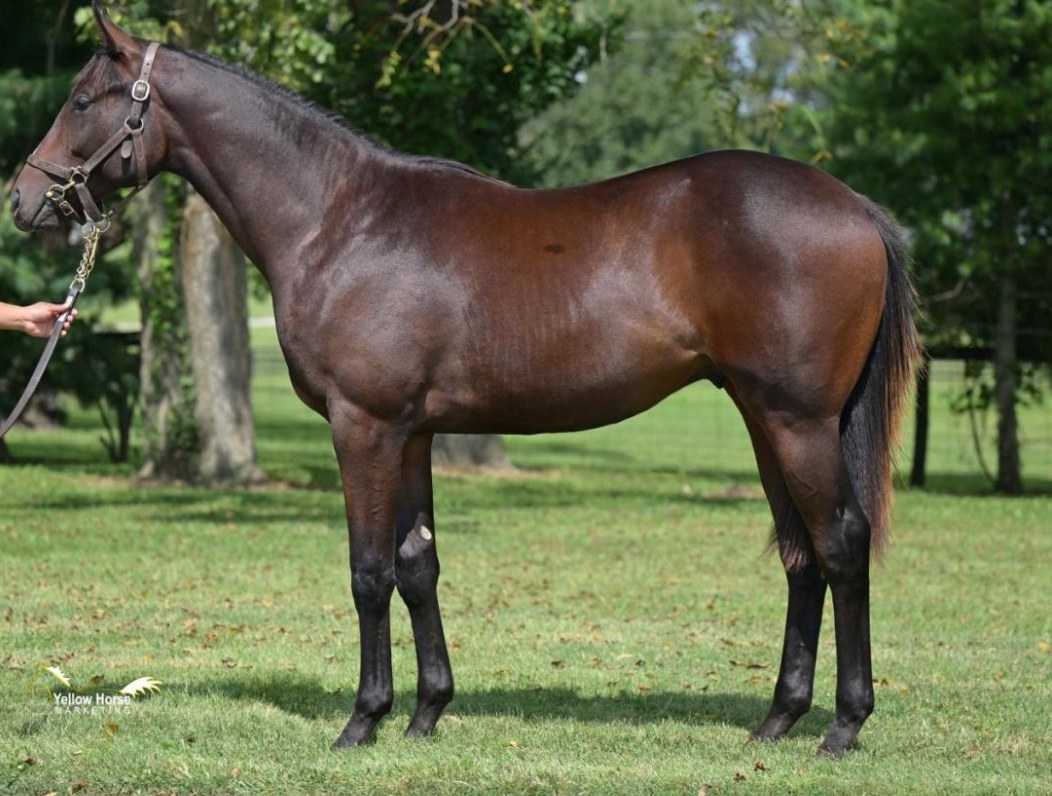
Unnamed Colt
Yearling
SireGun Runner
DamFold Em
TrainerChad Brown
Unnamed Colt
Yearling
SireNyquist
DamWynning Touch
TrainerChad Brown
Unnamed Colt
Yearling
SireUpstart
DamOutkickthecoverage
TrainerChad Brown
Breeding Program / Sales
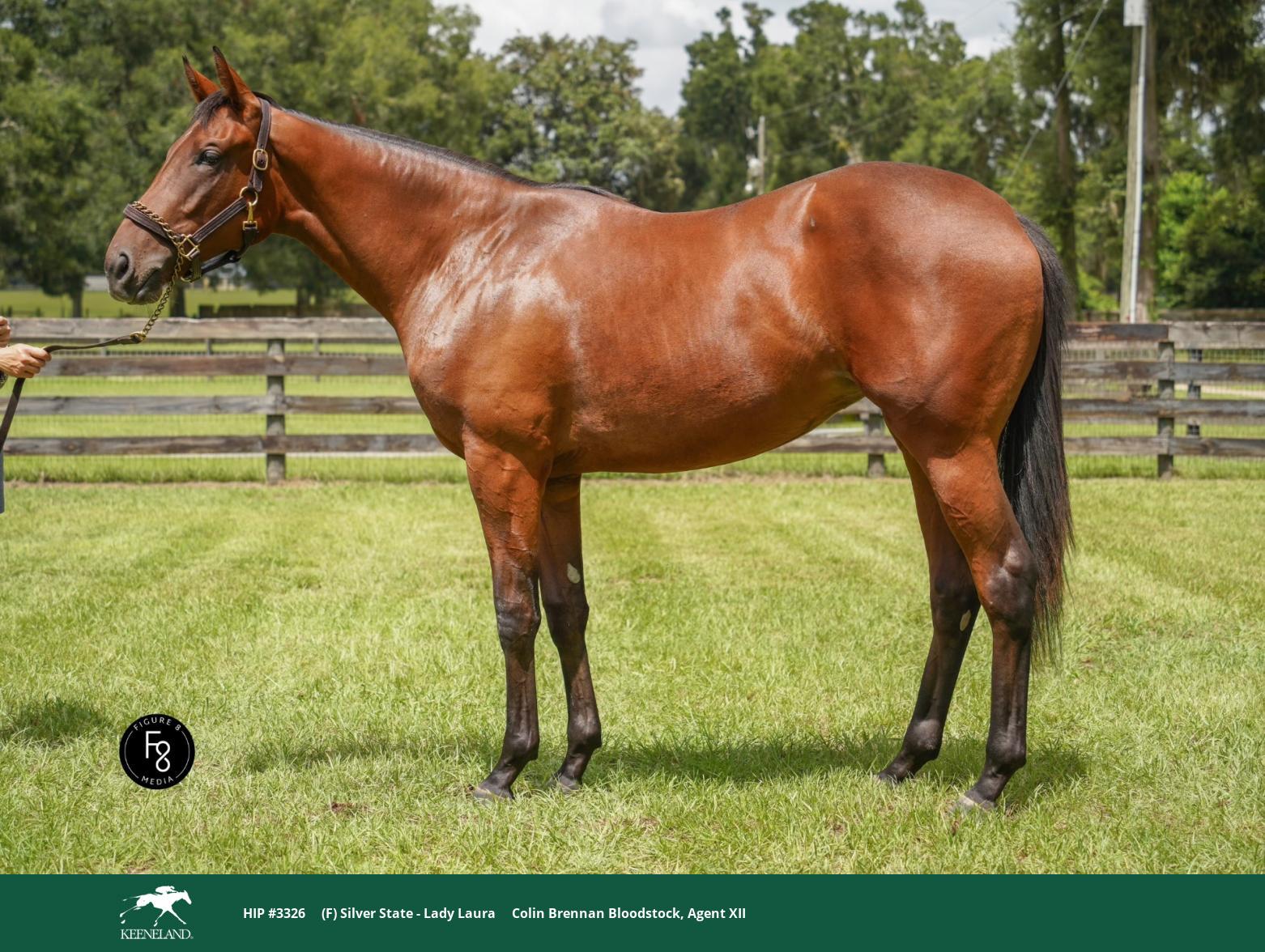
Miss Call
3yo Filly
SireSilver State
DamLady Laura
Sashay Away
4yo Broodmare
SireCurlin
DamI'm Wonderful
To be bred to Tiz the Law in 2026. Planned sale at November 2026 Breeding Stock Sale.
Decadent
4yo Filly
SireGirvin
DamOne More Minute
StatusActive Racing
Behind the Scenes
Gallery
A look at the horses, the people, and the moments behind Tralee Ventures — at the track, the farm, and everywhere in between.
Information
A modern lens on one of the world’s oldest sports
We are committed to using analytics and the data available to us to make better decisions. This is where we share our research, studies and findings.
Research & findings
Bloodstock
Why the Mare Holds the Value
A supply-demand case study from Keeneland September 2026. Stallions are few and reusable, but every yearling needs its own mare, and within a single sire’s crop the mare drives a 5x to 16x price spread. That is why a quality filly keeps her value after racing.
Our research, studies and findings will be shared here as they are published. If you would like to discuss our work in the meantime, we would be glad to hear from you.
Supply and Demand in the Thoroughbred Market · Part I
Why the Mare Holds the Value
A supply-demand case study from Keeneland September 2026
A racing filly keeps value after her career because she becomes a required input for the next crop. This case study uses one sale, Keeneland September 2026, to show the mechanism: the stallion side of the market is small, fixed and reusable, while the mare side must be as large as the crop itself. Every yearling needs exactly one mare, and no mare can be used twice in a year.
All figures come from the sale catalog (4,642 hips) as of October 19, 2026. Sold means any hip with a recorded price, including post-sale deals; RNA means a hip that failed to meet its reserve; withdrawn means the hip was scratched before selling.
The sale in numbers
The sale grossed $558.3 million on 3,034 yearlings sold, from 190 sires and 4,642 individual mares.
Measure
Value
Hips cataloged
4,642
Withdrawn
960
Offered
3,682
Sold
3,034 (82.4% of offered)
RNA
648
Gross
$558,313,400
Average
$184,019
Median
$85,000
Top price
$3,700,000 (Into Mischief colt)
Distinct sires
190
Distinct dams
4,642
Table 1. Keeneland September 2026 at a glance. Source: sale catalog results, 4,642 hips.
Supply side: stallions are few and reusable
Ten stallions produced 49% of the gross; thirty produced 80%. The 190 sire names overstate the real supply: 98 of them had fewer than ten hips and together contributed 1.1% of the money. The commercially relevant pool is roughly 70 stallions with 20 or more yearlings in the sale.
Top sires by gross
Share of hips
Share of gross
Cumulative gross
Mares required
Top 5
8.3%
31.6%
$176.6M
383
Top 10
17.1%
49.0%
$273.7M
794
Top 20
35.9%
68.5%
$382.4M
1,665
Top 30
49.4%
80.2%
$447.9M
2,295
Top 50
71.3%
92.5%
$516.3M
3,308
All 190
100%
100%
$558.3M
4,642
Table 2. Concentration of the sale by sire, ranked by gross.
A stallion is a reusable asset: one horse covered 80 to 120 mares in a single season and appeared in this sale that many times. His price is set once a year as a published fee, and his book is capped and filled. Access to the top ten names amounted to roughly 800 covers for the whole industry.
Demand side: 4,642 hips require 4,642 mares
The catalog has no repeated dam. 4,642 yearlings came from 4,642 different mares, because a mare carries one foal a year and the crop cannot be produced any other way. The ratio in this sale is 24 mares per sire, and 65 mares per commercially relevant sire.
Input
Units in the sale
Reusable within a year?
Who sets the price
Stallion
190 names, about 70 that matter
Yes, 80 to 120 times
The farm, once a year, published
Mare
4,642, one per hip
No, one foal per year
The market, mare by mare
Table 3. The two inputs to every yearling.
The demand for mares is therefore not optional and not elastic. To keep a crop of this size in the ring, breeders need about 4,600 mares in foal to commercial sires every spring, before accounting for mares that miss, abort or produce a foal that is not sale quality. Every mare that leaves the broodmare band through age or injury must be replaced, and the replacement is a filly coming off the track.
The correlation: within a stallion, the mare sets the price
The sire explains the level of a yearling’s price; the mare explains the spread. Buyers of the top ten sires paid an average of $503,101 against $114,308 for the other 180 sires, a 4.4x gap set by the stallion. But inside any single stallion’s crop, where every buyer is paying for the same sire, prices still ranged 5x to 16x between the bottom quarter and the top horse.
Sire
Sold
25th pct
Median
75th pct
Top price
Top vs 25th
Gun Runner
57
$350,000
$525,000
$1,000,000
$3,100,000
8.9x
Not This Time
56
$418,750
$600,000
$906,250
$2,100,000
5.0x
Nyquist
59
$220,000
$400,000
$650,000
$2,250,000
10.2x
Flightline
52
$257,500
$467,500
$812,500
$2,600,000
10.1x
Into Mischief
40
$337,500
$612,500
$1,000,000
$3,700,000
11.0x
Life Is Good
70
$185,000
$300,000
$443,750
$1,250,000
6.8x
Uncle Mo
62
$135,000
$300,000
$518,750
$1,500,000
11.1x
Justify
49
$225,000
$310,000
$500,000
$1,950,000
8.7x
Yaupon
57
$140,000
$225,000
$290,000
$950,000
6.8x
Good Magic
42
$100,000
$220,000
$381,250
$1,600,000
16.0x
Table 4. Price distribution within each of the ten leading sires’ crops, sold hips only.
The stud fee was identical for every horse in each row. What separated a $350,000 Gun Runner from a $3,100,000 Gun Runner was the mare, her produce record and page, and the physical she passed on. The mare is the variable the market is actually pricing once the sire is chosen.
Why this becomes residual value
A colt’s value ends with his racing career unless he is one of the few who becomes a stallion; a filly’s value continues because she is one of the 4,600 inputs the next sale needs. Three supply-demand facts drive this:
Required, not optional. The crop cannot exist without a mare per hip, so demand for mares is as large as the crop and does not shrink when stud fees rise.
Scarce at the top. The market pays 5x to 16x inside a single sire’s crop for the better mare, so a mare with a page and a produce record is a scarce input, not a commodity one.
Not reusable, so not substitutable. A stallion farm can add 20 covers to a book; nobody can make a good mare produce two foals in a year. Replacement comes only from the retiring filly crop.
The result is a floor. A quality filly leaves the track with a second business already waiting for her, priced by what her yearlings will bring against stud fees that are fixed and public. A colt of the same ability leaves the track with nothing unless the stallion market, which has about 70 real slots, takes him.
Implications for the fund
Fillies carry two exits (racing plus broodmare) against a colt’s one, which is why fillies are the value side of the racing book.
Breeding returns depend on mare quality more than on sire access: the sire fee is a fixed, published cost, while the mare is where the 5x to 16x price spread is earned or lost.
The right test for a broodmare purchase is her expected position within a sire’s price distribution, not the sire’s average.
Supply of quality mares is replenished only from the retiring filly crop, so a racing filly with a page is a replacement asset the breeding line will need regardless of her race record.
A closer look at how we structure ownership and the long-term upside that sits behind every horse in the string.
We approach Thoroughbred investing the way a fund-of-funds manager approaches traditional investing: allocate capital across a portfolio of opportunities, back the best operators in each discipline, and utilize data support the decisions we make. Analytics are our foundation. We maintain our own database and programs based on years of data from auction results to pedigree scoring going and even stallion valuation. That work gives us clues of where to look, what to pay, and potentially what to expect. A simple example, if a yearling with a highly regarding pedigree is offered at auction the prudent next step is identify comparable offerings within the current or recent auctions to serve as a benchmark!
However, a horse is not a spreadsheet, and the centerpiece of our strategy is people: the trainers, bloodstock agents, consignors and farm managers who have spent careers at the top of the game. Our job is to identify those experts, put capital behind them, and manage the overall risk profile. In the example above, a spreadsheet cannot identify medical issues, demeanor or a conformation issue. The knowledge of years in the industry is invaluable and is critical to the partnership.
We focus opportunistically across three complementary lines of business, each with its own risk profile and potential outcome:
Racing
Colts are our upside play. A colt that wins at the highest level can be worth many multiples of his purchase price as a stallion prospect, and that is where the home runs live.
Fillies are our value play. A well-bred filly carries residual worth as a broodmare regardless of how her racing career unfolds, which protects the downside and makes her a far more forgiving investment.
Pinhooking
This is the trading desk of our operation: buy a horse at one stage of development, improve it under expert hands, and resell it at the next stage. Weanlings bought in the fall and sold as yearlings, yearlings bought in September and sold as two-year-olds in the spring. Holding periods are short, capital turns over quickly, and the analytics are at their sharpest, because every sale leaves a public record of what the market paid and what it later proved to be worth.
Breeding
Breeding is how we create assets rather than simply buy them. A single broodmare offers several opportunities to monetize: each foal can be sold as a weanling, a yearling or a two-year-old, whichever stage the market rewards most, while the mare herself can be sold at a broodmare sale once her produce record has added to her value. It is the longest-duration part of our portfolio, and the one that compounds.
Who We Work With
Industry partners
Tralee Ventures is guided by relationships with respected names across bloodstock, training, and the racetrack.
Headshot coming soon
Details coming soon
Headshot coming soon
Details coming soon
Headshot coming soon
Details coming soon
Interested in becoming a partner?
Reach out to learn more about current partnership availability, review our full investor deck, and see if Tralee Ventures is the right fit for your portfolio.
Get in Touch
Contact Us
Questions about Tralee Ventures, our horses, or becoming a partner — reach out and we'll get back to you directly.
Message sent
Thank you for reaching out — we'll be in touch shortly.